
Vegetable Soup with Dehydrated Vegetables: Easy Recipe

Turn your pantry’s dried vegetables into a warm, satisfying meal with this easy vegetable soup recipe. Dehydrated carrots, green beans, onion, celery, potatoes, and cabbage simmer in flavorful stock with beans and noodles—no last-minute vegetable chopping required.
✅ Quick Answer: How do you make vegetable soup with dehydrated vegetables?
Add the dehydrated vegetables directly to simmering stock and cook until tender. Add the noodles according to their package cooking time, then stir in the drained and rinsed beans near the end. The vegetables will rehydrate as the soup cooks, but keep extra stock or water handy in case they absorb more liquid than expected.
Optional Meat and Vegetarian Variations
The beans provide plant-based protein, but you can also add cooked chicken, beef, ham, or turkey. Stir cooked meat into the soup during the last few minutes so it heats through without becoming tough.
For a vegetarian version, use vegetable stock. To make the soup vegan, also choose egg-free noodles or another vegan pasta.

Fresh vs. Dehydrated Vegetables
This recipe is designed for dehydrated vegetables, which makes it convenient for pantry meals, camping, and using what you have preserved. If you prefer fresh, frozen, or canned vegetables, you’ll find suitable substitutions immediately after the main recipe.

Vegetable Soup with Dehydrated Vegetables Recipe
Makes: Approximately 6 servings
Pot size: 5 quarts or larger
Ingredients
- 1/2 cup dehydrated carrots
- 1/2 cup dehydrated green beans
- 1/4 cup dehydrated onion
- 2 tablespoons dehydrated celery
- 2 slices dehydrated elephant garlic, finely crumbled, or 1 teaspoon dried minced garlic
- 1/2 cup dehydrated potatoes
- 1/2 cup dehydrated cabbage, optional
- 8 cups vegetable stock, plus more if needed
- 1 cup whole-wheat or regular egg noodles
- 1 (15-ounce) can of great northern beans, drained and rinsed
- 1 teaspoon dried Italian seasoning
- salt* and black pepper to taste
Instructions
- Pour the vegetable stock into a 5-quart or larger pot. Add the dehydrated carrots, green beans, onion, celery, garlic, potatoes, and optional cabbage.
- Bring the stock to a boil. Reduce the heat, cover the pot, and simmer gently for 20 minutes.
- Stir in the Italian seasoning and egg noodles. Continue simmering, uncovered, according to the noodle package directions—usually 8 to 10 minutes—or until the noodles and vegetables are tender.
- Check the soup as it cooks and add more stock or water if the vegetables and noodles absorb too much liquid.
- Stir in the drained and rinsed beans. Simmer for another 3 to 5 minutes, until the beans are heated through.
- Add black pepper to taste. Taste the soup before deciding whether it needs additional salt.
*Taste the soup before adding salt. Bouillon, prepared stock, and canned beans may already contain plenty of sodium, so add extra salt only if needed.
Nutrition Information — per serving
- Servings: Approximately 6
- Calories: 160 kcal
- Fat: 1 g
- Protein: 7.5 g
- Carbohydrates: 31 g
Nutrition values are approximate and will vary according to the brands of stock, noodles, and beans used.

Using Fresh Vegetables Instead
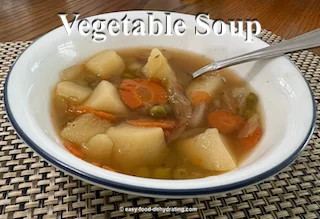
You can make the same soup with fresh or frozen vegetables. Replace the dehydrated vegetables with the approximate amounts below, while keeping the stock, noodles, beans, and seasonings the same.
- 2 medium carrots, peeled and sliced
- 1 1/2 cups fresh or frozen green beans
- 1 small onion, diced
- 2 celery stalks, sliced
- 2 garlic cloves, minced
- 2 cups peeled and diced potatoes
- 2 cups shredded cabbage, optional
Fresh and frozen vegetables do not absorb as much stock as dehydrated vegetables, so begin with 6 cups of vegetable stock instead of eight. Add more stock during cooking if you prefer a thinner soup.
If using canned green beans, drain them and add them during the final five minutes because they are already cooked.
How to Cook the Fresh Version
- Add 6 cups of vegetable stock to a 5-quart or larger pot. Add the fresh carrots, green beans, onion, celery, garlic, potatoes, and optional cabbage.
- Bring to a boil, then reduce the heat, cover, and simmer gently for 12 to 15 minutes, until the vegetables are nearly tender.
- Stir in the Italian seasoning and egg noodles. Simmer uncovered according to the noodle package directions, usually 8 to 10 minutes.
- Stir in the drained and rinsed beans during the final 3 to 5 minutes. If using canned green beans, add those at this stage too.
- Add more stock if you prefer a thinner soup. Season with black pepper, then taste before adding any salt.
Want More Meals Made With Dehydrated Food?

My collection of
20 Taste-Tested Easy Recipes shows you how to turn dehydrated ingredients into meals your family will genuinely want to eat.

Recipes include pizza, shepherd’s pie, beef stew, cauliflower soup and mash, carrot soup, carrot cake, cranberry-pineapple pie, and more.
Fresh-ingredient amounts are included, too.
The 5-Quart T-fal Pot I Use for Soups and Stews
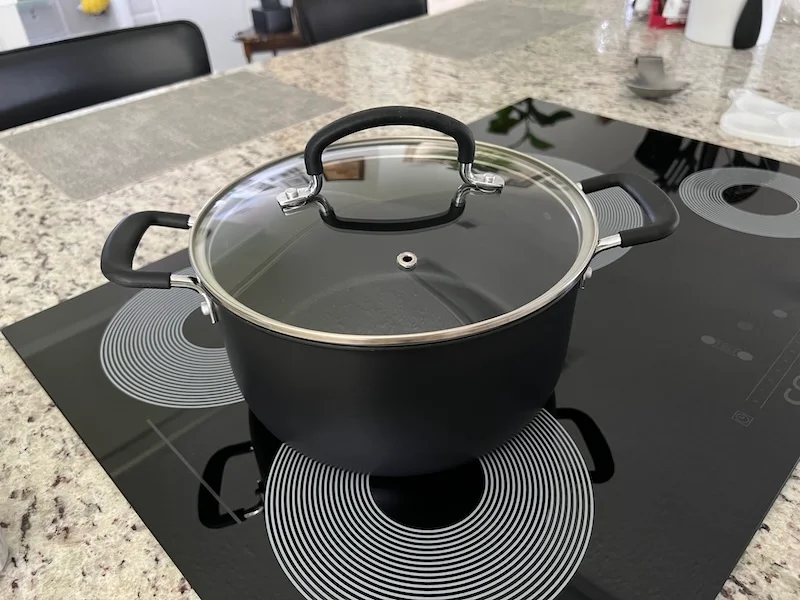
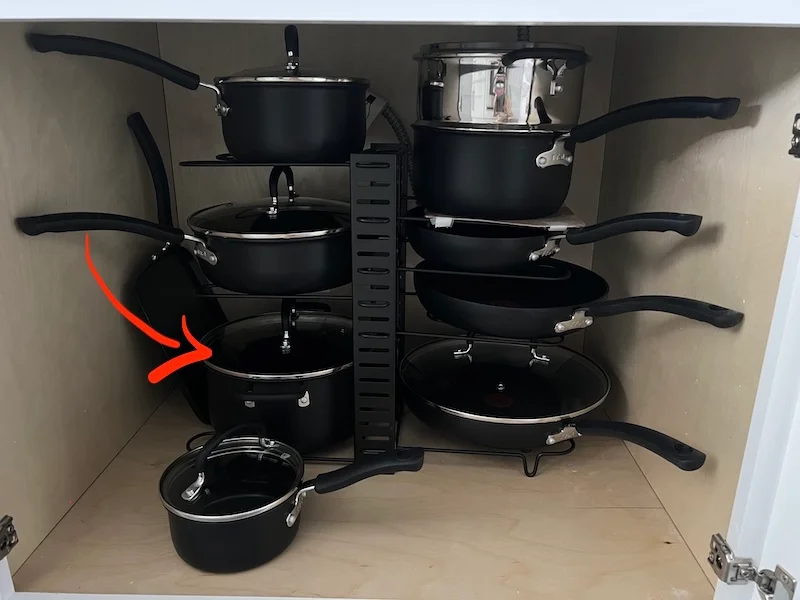
Soups containing dehydrated vegetables need plenty of room because the vegetables and noodles expand as they cook. I use the 5-quart Dutch oven from my T-fal 17-piece hard-anodized cookware set, and it is an ideal size for this recipe.
The photographs below show my actual cookware—not stock images. I genuinely love this set: the pans cook evenly, clean up beautifully, and still look remarkably good after regular use.
As an Amazon Associate, I earn from qualifying purchases. The price you pay does not increase. Read my disclosure here.
How to Make Homemade Vegetable Stock
Making your own vegetable stock is an economical way to use everyday vegetables while controlling the seasoning. This recipe makes approximately 8 cups—enough for the vegetable soup recipe above.
Ingredients
- 1 tablespoon olive oil
- 1 large onion, roughly chopped
- 2 carrots, roughly chopped
- 2 celery stalks, roughly chopped
- 2 garlic cloves, crushed, optional
- 10 cups water
- 1 bay leaf, optional
- 1/2 teaspoon black pepper
Instructions
- Heat the olive oil in a large pot over medium heat.
- Add the onion, carrots, celery, and optional garlic. Cook for 8 to 10 minutes, stirring occasionally, until the vegetables begin to soften.
- Add the water, bay leaf, and black pepper. Bring to a boil, then reduce the heat and simmer gently, uncovered, for 45 to 60 minutes.
- Strain the stock into a clean container and discard or compost the cooked vegetables. Their flavor has now transferred to the stock.
- Measure the strained stock. If you have less than 8 cups, add enough water to bring it back to 8 cups.
Leave the stock unsalted if you plan to use it in another recipe. This allows you to season the finished dish after accounting for other salty ingredients.
Divide the stock among shallow containers and refrigerate it within two hours. Use refrigerated stock within 3 to 4 days, or freeze it in recipe-size portions for longer storage.
Short on Time? Use Better Than Bouillon
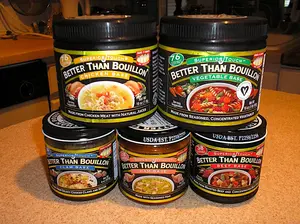
When I don’t have homemade stock available, I use Better Than Bouillon concentrated base. It dissolves easily in hot water and comes in vegetable, chicken, beef, reduced-sodium, organic, and other varieties.
I add it gradually and taste the broth as I go rather than automatically using the full suggested amount. Use the vegetable variety if you want to keep your soup vegetarian or vegan.
Better Than Bouillon can contain plenty of sodium, so taste the finished soup before adding any extra salt.
Swap the Egg Noodles for Rice or Orzo
If you don’t have egg noodles, replace them with rice or orzo—but adjust the amount and cooking time accordingly.
For cooked rice, add 1 1/2 cups during the final 5 minutes, giving it just enough time to heat through.
For uncooked white rice, use 1/2 cup. Add it after the dehydrated vegetables have simmered for 10 minutes, then continue cooking according to the rice package directions. Keep extra stock or water handy because rice absorbs more liquid than noodles.
Brown rice usually takes considerably longer, so cook it separately and add 1 1/2 cups of cooked brown rice during the final 5 minutes.
For orzo, replace the egg noodles with 3/4 cup of dry orzo. Add it near the end and simmer according to its package directions, usually about 8 to 10 minutes.
FAQs About Vegetable Soup with Dehydrated Vegetables
Do I need to rehydrate the vegetables before making the soup?
Do I need to rehydrate the vegetables before making the soup?
No. The dehydrated vegetables can rehydrate directly in the simmering stock. Keep extra stock or water handy because different vegetables may absorb different amounts of liquid.
Can I use fresh vegetables instead of dehydrated ones?
Can I use fresh vegetables instead of dehydrated ones?
Yes. Use the fresh-vegetable amounts provided after the main recipe and begin with 6 cups of stock instead of eight. Fresh vegetables do not absorb as much liquid as dehydrated ones.
How long does dehydrated vegetable soup take to cook?
How long does dehydrated vegetable soup take to cook?
Allow approximately 30 to 35 minutes on the stovetop. Simmer the dehydrated vegetables for 20 minutes, then add the noodles and continue cooking until both the noodles and vegetables are tender.
Can I make this soup vegetarian or vegan?
Can I make this soup vegetarian or vegan?
Yes. Use vegetable stock to keep the soup vegetarian. For a vegan version, also replace the egg noodles with egg-free pasta, rice, or another vegan alternative.
What should I do if the soup becomes too thick?
What should I do if the soup becomes too thick?
Add more hot stock or water, a little at a time, until the soup reaches your preferred consistency. Dehydrated vegetables, noodles, and rice can continue absorbing liquid as they cook.
How should I store leftover vegetable soup?
How should I store leftover vegetable soup?
Transfer the soup to shallow covered containers and refrigerate it within two hours. Use refrigerated soup within 3 to 4 days, or freeze individual portions for 2 to 3 months.
This vegetable soup is an easy way to turn dehydrated vegetables into a satisfying pantry meal. Once you know how much stock to use—and when to add the noodles and beans—you can adjust it to suit whatever you have available.
Want to try a few more dried-food recipes before choosing the complete collection? Get my free 5 Dried Food Recipes That Actually Taste Great PDF below—featuring carrot soup, minestrone, split pea soup, spicy beef jerky, and even banana cinnamon rolls.

5 Free Dried Food Recipes
That Actually Taste Great
Put your dried food to delicious use!
Five very different recipes.
Not one dull bite...
5 Free Dried Food Recipes
That Actually Taste Great
Put your dried food to delicious use!
Five very different recipes.
Not one dull bite...
More From Easy Food Dehydrating
Potato and Bacon Hash: A Savory One-Pan Meal
Make potato and bacon hash in one pan—crispy, savory, and filling. The perfect comfort food any time of day.
Easy Dehydrated Food Recipes for Meals, Snacks & More
Discover easy dehydrated food recipes for soups, meals, snacks, desserts, and pet treats—with practical tips for using dried ingredients.
Curried Celery & Potato Soup with Orzo - Easy Recipe
Spice up your soup game with Curried Celery and Potato Soup featuring Orzo. A warming, flavorful bowl of comfort!
Cozy Chicken Noodle Soup with Dehydrated Veggies
Make cozy chicken noodle soup fast using dehydrated carrots, onions, celery, and chicken. Rehydrate, simmer, and serve.
Homemade Pizza: Non-Stick Crust Tips & Topping Wins
Make homemade pizza that won’t stick: use parchment, pre-bake 3–5 minutes, then top and bake at 450°F for a crisp crust.
Dried Fruit Bars Recipe: Healthy Homemade Energy Bars
Dried fruit bars recipe: Healthy homemade energy bars you can make in a jiffy!




More From Easy Food Dehydrating
Potato and Bacon Hash: A Savory One-Pan Meal
Make potato and bacon hash in one pan—crispy, savory, and filling. The perfect comfort food any time of day.
Easy Dehydrated Food Recipes for Meals, Snacks & More
Discover easy dehydrated food recipes for soups, meals, snacks, desserts, and pet treats—with practical tips for using dried ingredients.
Curried Celery & Potato Soup with Orzo - Easy Recipe
Spice up your soup game with Curried Celery and Potato Soup featuring Orzo. A warming, flavorful bowl of comfort!
Cozy Chicken Noodle Soup with Dehydrated Veggies
Make cozy chicken noodle soup fast using dehydrated carrots, onions, celery, and chicken. Rehydrate, simmer, and serve.
Homemade Pizza: Non-Stick Crust Tips & Topping Wins
Make homemade pizza that won’t stick: use parchment, pre-bake 3–5 minutes, then top and bake at 450°F for a crisp crust.
Dried Fruit Bars Recipe: Healthy Homemade Energy Bars
Dried fruit bars recipe: Healthy homemade energy bars you can make in a jiffy!
Before You Go...
If you enjoyed this page, tap the ❤️ in the lower right-hand corner.
It saves this page to your Grow bookmarks so you can find it again later.
You’ll also see quick share buttons to copy the link, post to Facebook,
or save it straight to Pinterest.
What We Mean by “Dehydrate”
Here at Easy Food Dehydrating, “dehydrate” always means using an electric food dehydrator — the easy, reliable way to dry food at home.
What We Mean by “Dehydrate”
Here at Easy Food Dehydrating, “dehydrate” always means using an electric food dehydrator — the easy, reliable way to dry food at home.


LATEST READS on EFD


-
Better Than Bouillon: Uses, Storage & Cube Comparison
Sep 11, 26 10:46 AM
 Learn how to use Better Than Bouillon, how much makes one cup of broth, how it compares with cubes, and how to store opened jars safely.
 -
How to Dehydrate Bananas for Easy, Healthy Snacking
Sep 09, 26 02:32 PM
 Learn how to dehydrate bananas at 135°F, reduce browning, test for doneness, condition, and store them for delicious homemade snacks.
 -
How to Dehydrate Peas: Fresh, Frozen & Canned
Sep 09, 26 11:21 AM
 Learn how to dehydrate fresh, frozen, or canned peas with the right preparation, temperature, drying time, storage tips, and an easy glove trick!


Unlock the Secrets of Food Dehydrating... from Fruit 'n' Veg to Doggie Dinners!




AFFILIATE DISCLOSURE: I am an Affiliate for Amazon, and other sellers of quality merchandise. Should you purchase an item through their links, I may receive compensation. The price you pay does not increase. THANKS for your support! Read full disclosure here.
easy FOOD DEHYDRATING: Making food preservation simple since 2010. I show you how to keep your food pantry full, whatever the reason or season!

HOME ARTICLES CONTACT ADVERTISING DISCLOSURE DISCLAIMER FAQ PRIVACY SITEMAP TERMS TESTIMONIALS
ALL CONTENT COPYRIGHT © 2010-2025 • ALL RIGHTS RESERVED REGARDLESS OF LINKS OR ATTRIBUTIONS.
POWERED BY SBI! (SOLO BUILD IT!)
As an Amazon Associate, I earn from qualifying purchases.