- Home
- How to Dehydrate Vegetables
- How to Dehydrate Onions

How to Dehydrate Onions: Easy Steps, Drying & Storage

Cutting onions may bring on the tears, but dehydrating them gives you delicious, ready-to-use flavor without all that chopping every time you cook!
Whether you're drying fresh onions or using a bag of frozen diced onions, it's easy to make your own dried onion pieces, crispy onion flakes, or homemade onion powder.
I'll show you how to prepare, dehydrate, check, and store your onions properly—plus a few tips for handling that unmistakable onion aroma!
✅ Quick Answer: How do you dehydrate onions?
Peel and slice fresh onions into even pieces or rings, approximately ⅛–¼ inch thick, or use frozen diced onions straight from the bag. Arrange in a single layer on dehydrator trays and dry at 125–135°F (52–57°C), generally for 4–12 hours or longer, until completely dry and brittle. Allow to cool, check for remaining moisture, and store in airtight containers. Grind into onion powder as needed.


Dehydrating Garlic and Onions:
Ventilation and Pet Safety
Dehydrating garlic or onions can fill your entire house with a powerful aroma. And let's face it—you either LOVE that smell or you DON'T!
Keep your kitchen well-ventilated. Run your range hood, open a window when practical, or position your dehydrator in a well-ventilated area. This helps prevent those strong odors from lingering throughout the house.
A note about pets: Both garlic and onions are toxic to dogs and cats if eaten, whether fresh, dried, or powdered. Keep them safely out of reach, and make sure your pets can move away from strong cooking odors, which may be irritating to sensitive noses.
One more tip: Don't dehydrate garlic or onions alongside apples or other delicate fruits unless you fancy garlic- or onion-flavored fruit snacks!

Step-by-Step Guide: How to Dehydrate Onions Like a Pro
Let's get busy learning how to dehydrate onions—fresh or frozen!
- Prepare the onions. Peel fresh onions, remove the root and stem ends, and discard any damaged or spoiled portions. If you're using frozen diced onions, you can skip the peeling and chopping.
- Slice evenly. Cut fresh onions into approximately ⅛–¼-inch slices, rings, or evenly sized diced pieces. Keeping the pieces similar in size helps them dry evenly.
- Arrange on trays. Spread the onions in a single layer on your dehydrator trays. Use mesh liners for small diced pieces so they don't fall through.
- Set the temperature. Dehydrate at approximately 125–135°F (52–57°C), or follow your dehydrator manufacturer's instructions.
- Dry thoroughly. Onion pieces generally take 4–12 hours or longer, depending on their size, moisture content, humidity, and dehydrator performance. Rotate trays if necessary.
Doneness tip: Allow several pieces to cool before testing. Thin onion slices should be crisp and brittle, while thicker pieces should be hard and thoroughly dry throughout. If anything feels moist, soft, or flexible inside, continue dehydrating.
Move the slider to convert temperatures instantly.
Move the slider to convert temperatures instantly.
How to Check and Store Dehydrated Onions
Do Dehydrated Onions Need Conditioning?
Unlike dried fruits, onions should be completely dry and brittle when finished. They don't normally need the traditional 7–10-day fruit-conditioning process.
Allow your onions to cool completely, then check several pieces from different trays. Thin slices should snap or crumble, and thicker pieces should be hard and dry all the way through.
If you're unsure whether the entire batch is dry, place the cooled onions in a clean, dry glass jar for a few days and check for condensation or softening.
If you notice moisture, return the onions to the dehydrator and dry them thoroughly before storage. If you discover mold, discard the affected batch.
How to Store Dried Onions
Store completely dried onions in clean, airtight glass jars or suitable moisture-resistant food-storage containers.
Keep them in a cool, dark, dry location, away from heat, sunlight, and humidity.
For the best flavor and quality, aim to use your dried onions within approximately 6–12 months. Actual storage life depends on drying and storage conditions.
You can also grind the dried pieces into homemade onion powder using a clean spice grinder or high-speed blender. Allow the powder to settle before opening the grinder, then transfer it to an airtight container.
Storage tip: Whole dried onion pieces generally retain their aroma longer than ground onion powder. Grind smaller batches as you need them for the freshest flavor.

This very versatile veggie is great for tons of recipes: Soups and stews, you name it!
And you can grind onions up for use as onion powder!
When slicing and chopping up your onions, you might first want to invest in a good knife...
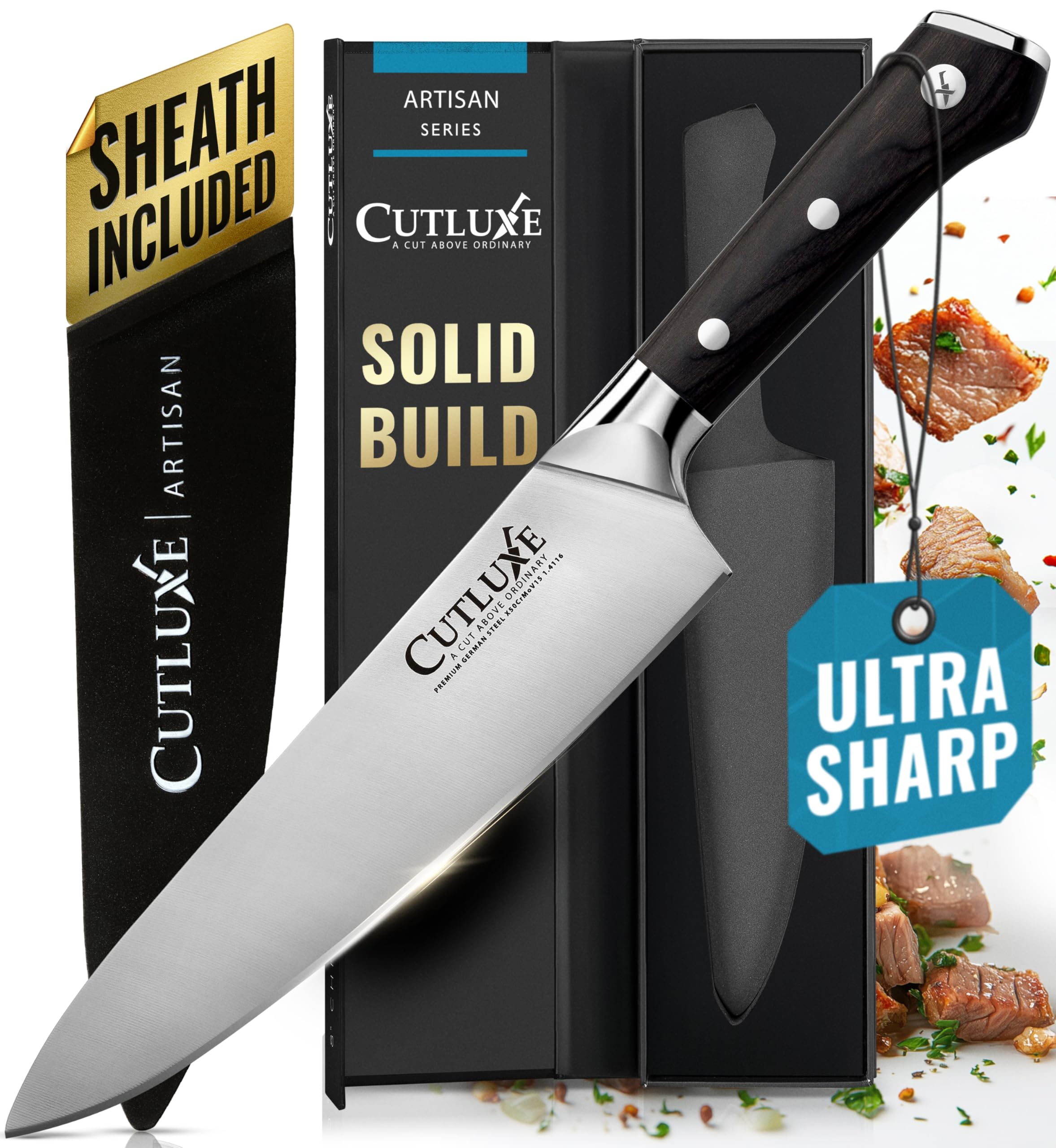
See the Cutluxe Chef's Knife I Use
A sharp chef’s knife makes food preparation easier and gives you better control than a dull blade. I use my Cutluxe chef’s knife, which has a full-tang blade extending through the handle for strength and stability. It costs more than a basic kitchen knife, but mine has been a dependable kitchen tool when kept properly sharpened.
As an Amazon Associate, I earn from qualifying purchases—this does not affect the price you pay. Read full disclosure.
...or you may wish to treat yourself to this awesome slicer like I did:

The SupMaKin slicer works particularly well for producing uniform vegetable slices, although cleaning the blades and all those little grooves can be time-consuming—especially after preparing a large batch.
It's useful for slicing, but for bigger chopping jobs, I personally prefer my food processor.
You can read my full multi-function slicer review for a closer look at its advantages and drawbacks.
As an Amazon Associate, I earn from qualifying purchases—this does not affect the price you pay. Read full disclosure.
🧄 Got Extra Tray Space? Dry Garlic While You're at It
If you've got an extra dehydrator tray or two available, why not dry some garlic alongside your onions? Both enjoy similar drying temperatures, and their strong aromas won't clash the way they would with more delicate fruits.


Reader Tip: How One Home Preserver Dried 50 Pounds of Onions
"I noticed that my white onions did not turn as brown as my Vidalia onions, did a little research, and found that it might have to do with the sweeter onion, which makes sense.
I also noticed that the Vidalia seems sweeter dried than fresh, which is fine with me.
I am so very happy that I found a great deal on them and dried close to 50 lbs of them this spring. I did do many batches outside when I saw that the humidity was very low, starting them outside in the morning.
By night the smell was almost gone when I finished them in the home."
Which Onions Dehydrate Best? Sweet, Yellow, or White?

You can dehydrate almost any type of onion, including yellow, white, red, and sweet varieties. The best choice depends on the flavor you want in your finished dried onions.
Yellow onions: A versatile everyday choice with a balanced, savory onion flavor. They're excellent for soups, stews, casseroles, and homemade onion powder.
White onions: Often have a clean, sharp onion flavor that works well in seasoning blends, sauces, and savory dishes.
Red onions: Add a slightly different flavor and attractive color to dried onion pieces. They're particularly useful when you want visible onion flakes in a recipe.
Sweet onions: Varieties such as Vidalia tend to taste milder and sweeter. Their higher sugar content can encourage more browning during drying, so keep an eye on them.
Which is best? For everyday cooking, yellow or white onions are excellent choices. If you prefer a sweeter flavor, try sweet onions. And don't forget—frozen diced onions are a convenient shortcut when you don't feel like peeling and chopping!
Whole fresh onions should be stored according to their variety and condition, generally in a cool, dry, well-ventilated location. Once dehydrated thoroughly, they take up far less space and are ready whenever you need them.
Onion FAQs: Everything You Wanted to Know About Drying Onions
Can you dehydrate minced onions?
Can you dehydrate minced onions?
Yes! Spread minced onions in a thin, even layer on mesh-lined dehydrator trays. Dry at approximately 125–135°F until completely dry and brittle.
Small pieces may dry faster than onion rings, so begin checking after a few hours. Drying time depends on the size of the pieces and your dehydrator.
How do you dry green onions (scallions)?
How do you dry green onions (scallions)?
Wash the green onions thoroughly and remove any damaged portions. Slice the white and green sections into small pieces and arrange them separately on dehydrator trays.
Dry at approximately 125°F until completely dry. The thin green sections will often finish before the thicker white portions, so check them separately.
Store in airtight containers once completely cooled.
Can you dehydrate frozen onions?
Can you dehydrate frozen onions?
Absolutely! Frozen diced onions are a convenient way to skip the peeling and chopping.
Spread the frozen pieces evenly on dehydrator trays, breaking apart any large clumps. Dry at approximately 125–135°F until thoroughly dry and brittle.
Frozen onions aren't necessarily pre-blanched, and they won't always dry faster than fresh onions. Check their actual dryness rather than relying on the clock.
Why are onions dangerous to pets?
Why are onions dangerous to pets?
Onions contain compounds that can damage red blood cells in dogs and cats if eaten. Fresh, cooked, dried, and powdered onions can all be harmful.
The strong smell may bother sensitive pets, but onion poisoning is primarily an ingestion hazard—not something caused simply by smelling onions.
Keep onion pieces, scraps, and powder out of reach, and make sure pets can move away from strong dehydrating odors.
What’s the best way to store dehydrated onions?
What’s the best way to store dehydrated onions?
Store completely dried onions in airtight Mason jars or suitable moisture-resistant containers, such as properly sealed food vacuum-sealer bags.
Keep them in a cool, dark, dry place. For the best flavor and quality, aim to use them within approximately 6–12 months.
You can also grind dried onion pieces into homemade onion powder, although keeping them whole until needed generally helps preserve their aroma.
Dehydrated onions are a true kitchen timesaver — no more watery eyes when you want quick flavor in soups, stews, or homemade onion powder. Once you try them, you’ll wonder how you cooked without them.
If you’d like more tasty ways to use dried food, don’t miss my free 5 Dried Food Recipes That Actually Taste Great PDF below. Inside you’ll find carrot soup, minestrone, split pea soup, spicy beef jerky, and even banana cinnamon rolls—all proven favorites that make dehydrating fun and delicious!

5 Free Dried Food Recipes
That Actually Taste Great
Put your dried food to delicious use!
Five very different recipes.
Not one dull bite...
5 Free Dried Food Recipes
That Actually Taste Great
Put your dried food to delicious use!
Five very different recipes.
Not one dull bite...
More From Easy Food Dehydrating
How to Dehydrate Corn: Frozen, Fresh, or Canned
Learn how to dehydrate frozen, fresh, or canned corn at 140°F, then cool, store, and rehydrate the dried kernels for soups, chowders, and more.
How to Dehydrate Tomatoes: Powder, Sauce & Storage
Learn how to dehydrate tomatoes safely, make flavorful tomato powder and quick sauce, and store dried tomatoes for later use.
How to Dehydrate Garlic: Elephant & Regular Varieties
Learn how to dehydrate regular and elephant garlic into crispy slices, powder, or garlic salt. Includes drying times, storage tips, and easy recipes.
How to Dehydrate Cauliflower for Soups, Sides & Rice
Learn how to dehydrate cauliflower at 125–135°F, including blanching, drying, and storage tips. Perfect for soups, mash, cauliflower rice, and powder.
How to Dehydrate Mushrooms: Temperature, Time & Storage
Learn how to dehydrate mushrooms at 120°F until crisp, with preparation, drying-time, storage, rehydration, and wild-mushroom safety tips.
How to Dehydrate Potatoes: Easy Slicing & Storage Tips
Learn to dehydrate potatoes with easy slicing, blanching, and storage tips for long-lasting, pantry-ready spuds.

More From Easy Food Dehydrating
How to Dehydrate Corn: Frozen, Fresh, or Canned
Learn how to dehydrate frozen, fresh, or canned corn at 140°F, then cool, store, and rehydrate the dried kernels for soups, chowders, and more.
How to Dehydrate Tomatoes: Powder, Sauce & Storage
Learn how to dehydrate tomatoes safely, make flavorful tomato powder and quick sauce, and store dried tomatoes for later use.
How to Dehydrate Garlic: Elephant & Regular Varieties
Learn how to dehydrate regular and elephant garlic into crispy slices, powder, or garlic salt. Includes drying times, storage tips, and easy recipes.
How to Dehydrate Cauliflower for Soups, Sides & Rice
Learn how to dehydrate cauliflower at 125–135°F, including blanching, drying, and storage tips. Perfect for soups, mash, cauliflower rice, and powder.
How to Dehydrate Mushrooms: Temperature, Time & Storage
Learn how to dehydrate mushrooms at 120°F until crisp, with preparation, drying-time, storage, rehydration, and wild-mushroom safety tips.
How to Dehydrate Potatoes: Easy Slicing & Storage Tips
Learn to dehydrate potatoes with easy slicing, blanching, and storage tips for long-lasting, pantry-ready spuds.
Before You Go...
If you enjoyed this page, tap the ❤️ in the lower right-hand corner. It saves this page to your Grow bookmarks so you can find it again later.
You’ll also see quick share buttons to copy the link, post to Facebook, or save it straight to Pinterest.

Test Your Food-Dehydrating
Know-How
Choose a food, make the right preparation, drying, and storage decisions—and see how many stars you can earn!
Play “Save the Harvest”Test Your Food-Dehydrating
Know-How
Choose a food, make the right preparation, drying, and storage decisions—and see how many stars you can earn!
What We Mean by “Dehydrate”
Here at Easy Food Dehydrating, “dehydrate” always means using an electric food dehydrator — the easy, reliable way to dry food at home.
What We Mean by “Dehydrate”
Here at Easy Food Dehydrating, “dehydrate” always means using an electric food dehydrator — the easy, reliable way to dry food at home.


LATEST READS on EFD


-
Pawcute Mason Jar Vacuum Sealer Review + FoodSaver Fix
Nov 03, 26 01:07 PM
 My hands-on Pawcute Mason Jar Vacuum Sealer review, with a video demonstration, FoodSaver V2240 hose workaround, and tips on choosing the manual pump kit.
-
Liver Dog Treats: Healthy Homemade Snacks for Dogs
Nov 03, 26 11:54 AM
 Make homemade liver dog treats with beef or chicken liver. Learn safe cooking temperatures, dehydrating tips, dryness checks, and proper storage.
-
Slow Cooker Beef Stew with Dehydrated Vegetables
Nov 03, 26 10:58 AM
 Make hearty slow cooker beef stew with dehydrated vegetables—no pre-soaking needed! An easy, comforting dinner with tender beef and rich gravy.



Unlock the Secrets of Food Dehydrating... from Fruit 'n' Veg to Doggie Dinners!




AFFILIATE DISCLOSURE: I am an Affiliate for Amazon, and other sellers of quality merchandise. Should you purchase an item through their links, I may receive compensation. The price you pay does not increase. THANKS for your support! Read full disclosure here.
easy FOOD DEHYDRATING: Making food preservation simple since 2010. I show you how to keep your food pantry full, whatever the reason or season!

HOME ARTICLES CONTACT ADVERTISING DISCLOSURE DISCLAIMER FAQ PRIVACY SITEMAP TERMS TESTIMONIALS
ALL CONTENT COPYRIGHT © 2010-2025 • ALL RIGHTS RESERVED REGARDLESS OF LINKS OR ATTRIBUTIONS.
POWERED BY SBI! (SOLO BUILD IT!)
As an Amazon Associate, I earn from qualifying purchases.