
Tuna Salad with Dehydrated Vegetables: Quick and Flavorful

Tuna salad with dehydrated vegetables is a quick, satisfying meal made with pantry staples. Rehydrated onion and celery add flavor and crunch without requiring fresh vegetables, making this an easy recipe for lunch at home, meal prep, or camping.
✅ Quick Answer: How do you make tuna salad with dehydrated vegetables?
Rehydrate the dried onion and celery until tender, then drain them well. Mix with drained tuna, mayonnaise, and sour cream. Season to taste, chill, and serve in sandwiches, with crackers, or over salad greens.
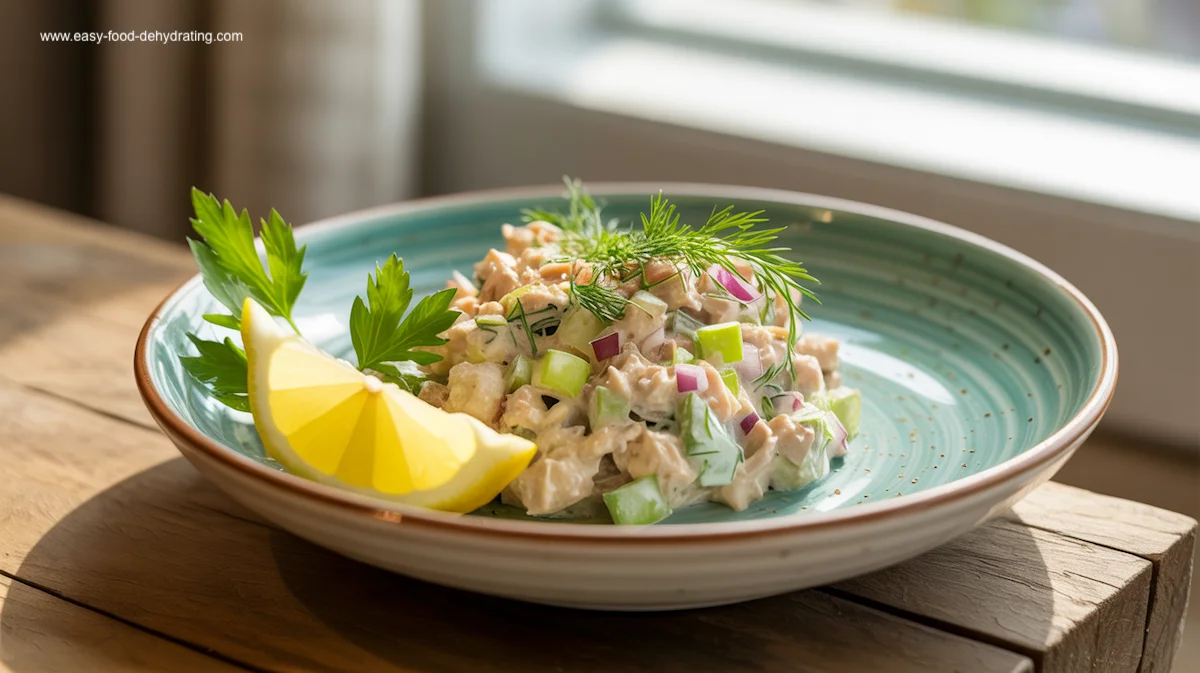
I love the extra flavor and crunch that rehydrated onion and celery add to this tuna salad.
Tuna Salad with Dehydrated Vegetables Recipe
Ingredients
- 2 (5-ounce) cans tuna in water, well drained
- 1 tablespoon dehydrated celery
- 1 tablespoon dehydrated red or white onion
- 3 tablespoons sour cream
- 2 tablespoons mayonnaise
- Salt and black pepper, to taste
Instructions
- Place the dehydrated celery and onion in a small bowl and cover generously with cold water. Soak until tender, about 30 minutes.
- Drain the vegetables thoroughly, pressing out any excess water with the back of a spoon.
- In a medium bowl, stir together the sour cream and mayonnaise.
- Add the rehydrated vegetables and well-drained tuna, then mix gently until combined.
- Taste before adding salt, then season with salt and black pepper as needed. Cover and chill until ready to serve.
Nutrition Information
Approximate nutrition per serving:
- Calories: 126
- Total fat: 7.9 g
- Protein: 12.9 g
- Carbohydrates: 1 g
Servings: 4

Prefer Fresh? Easy Swaps for Dehydrated Veggies
If you have fresh vegetables on hand, replace the dehydrated celery and onion with:
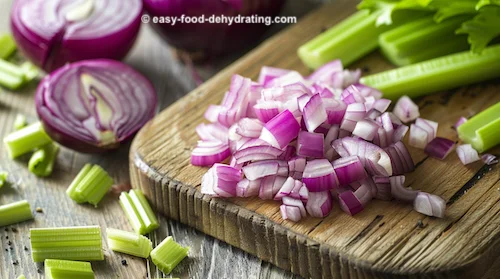
- 3 tablespoons finely diced fresh celery
- 1/8 of a medium red or white onion, finely diced
No rehydrating is needed. Add the fresh vegetables directly to the sour cream and mayonnaise mixture.

Different Types of Tuna
🐟 Albacore (White Tuna)
Mild, pale, and lean with a flaky bite. Perfect for everyday tuna salad, but note it can be higher in mercury than skipjack.🌊 Yellowfin (Ahi Tuna)
Rich, meaty, and firm. Ideal for searing, poke bowls, or adding a bolder flavor to tuna salad.🥢 Bigeye Tuna
Buttery, indulgent, and full of omega-3s. A favorite for sushi lovers, though less common in canned form.👑 Bluefin Tuna
The crown jewel of tuna—luxurious, melt-in-your-mouth texture and deep flavor. Rarely used in everyday recipes due to cost and sustainability concerns.💡 Skipjack Tuna
Dark, bold, and budget-friendly. The “light tuna” most often found in cans—perfect for salads, casseroles, and mixing with dehydrated veggies.What Type of Tuna Is Best for Tuna Salad?
Canned Light Tuna
Usually made from skipjack, canned light tuna has a softer texture, darker color, and stronger tuna flavor. It is generally less expensive than albacore and works well in tuna salad and tuna pasta bake.
Albacore Tuna
Often labeled “solid white” or “white tuna,” albacore has a milder flavor, lighter color, and firmer texture. It usually contains more mercury than canned light tuna, so keep that in mind when deciding how often to serve it.
For this recipe, choose tuna packed in water for a lighter salad or tuna packed in oil for a richer flavor. Both should be drained thoroughly before mixing.
How to Choose the Right Tuna for Your Recipe
For canned tuna recipes such as this tuna salad with dehydrated vegetables recipe or tuna pasta bake, skipjack and albacore are the most practical choices. Choose skipjack for a stronger tuna flavor and softer texture, or albacore for a milder flavor and firmer flakes.
Yellowfin, bigeye, and bluefin are more commonly sold as fresh or frozen steaks and are better suited to grilling, searing, or other dishes in which the tuna is the main attraction.
Is Tuna Healthy? Nutrition Benefits Explained
Tuna is a good source of protein and is naturally low in carbohydrates. It also provides several important nutrients, including:
- Vitamin B12, which supports healthy nerve cells and red blood cell formation
- Selenium, which helps protect cells from damage
- Vitamin B6, which supports normal metabolism and immune function
- Omega-3 fatty acids, although the amount varies by tuna species and product
The overall nutrition of tuna salad depends on the ingredients mixed with the tuna. Mayonnaise and sour cream add creaminess and flavor, but they also increase the calories and fat. Using less mayonnaise or replacing some of it with plain Greek yogurt can make the salad lighter while keeping it creamy.
Want More Meals Made With Dehydrated Food?
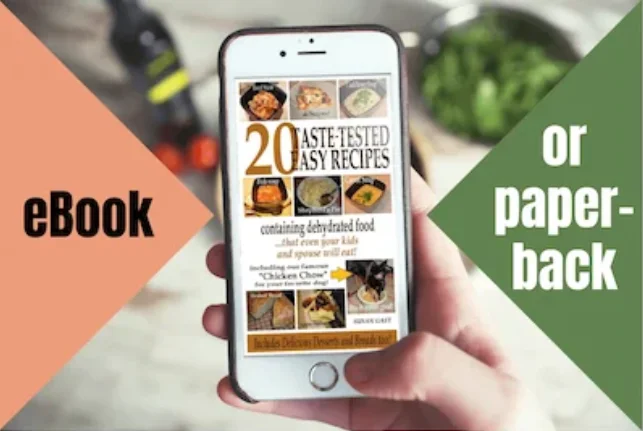
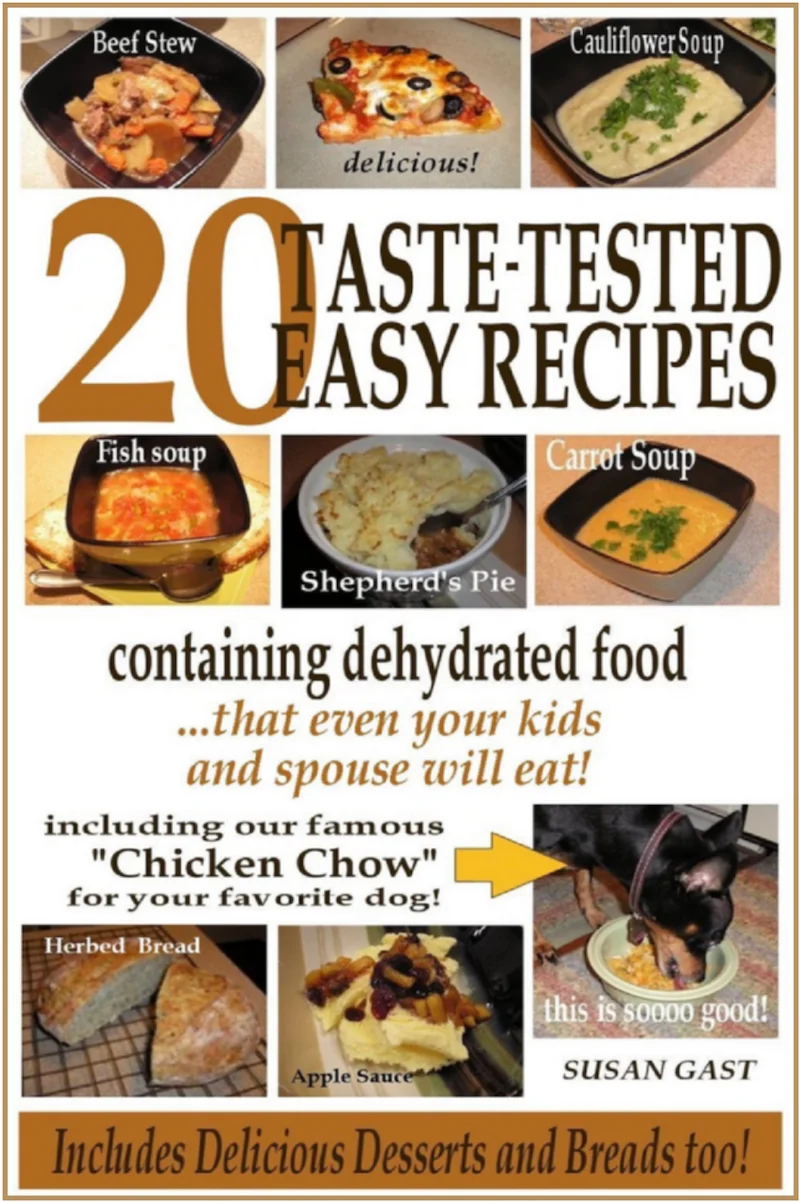
My collection of
20 Taste-Tested Easy Recipes shows you how to turn dehydrated ingredients into meals your family will genuinely want to eat.

Recipes include pizza, shepherd’s pie, beef stew, cauliflower soup and mash, carrot soup, carrot cake, cranberry-pineapple pie, and more.
Fresh-ingredient amounts are included, too.
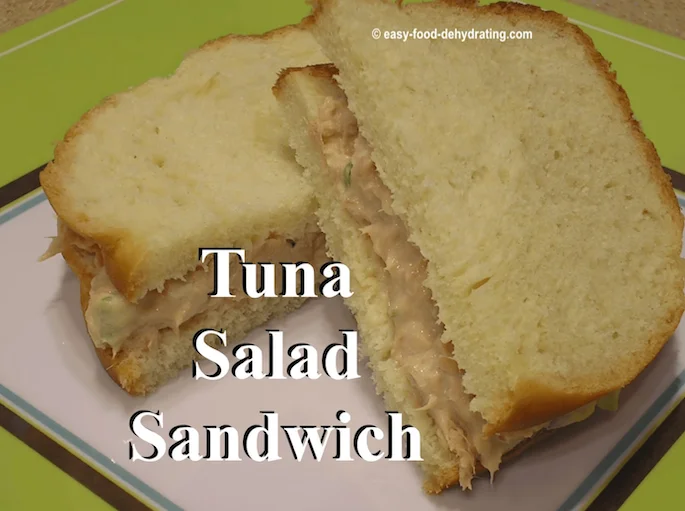
Serve your tuna salad on homemade bread—either toasted or soft—or enjoy it with crackers or salad greens.
Tuna in Oil vs. Water: Which Makes the Best Salad?
Tuna packed in water has a lighter flavor and fewer calories, while tuna packed in oil has a richer taste and softer texture. Either one works in tuna salad.
For a balance of flavor and richness, try using one can packed in water and one can packed in oil. Drain both thoroughly so the finished salad doesn’t become watery or oily.
Are Tuna Pouches Good for Tuna Salad?
Tuna sold in foil pouches usually contains less liquid than canned tuna, so there is little or nothing to drain. The tuna also tends to have a firm texture and concentrated flavor, making it convenient for salads and sandwiches.
If you use canned tuna, drain it thoroughly before adding it to the other ingredients. Excess water or oil can make your tuna salad—and your sandwich—soggy.
Flavorful Seasoning Ideas for Grilled Tuna Steaks
If you have fresh or frozen tuna steaks rather than canned tuna, try one of these simple flavor combinations:
- Lemon pepper: Lemon zest, lemon juice, and freshly cracked black pepper
- Soy and ginger: Soy sauce, brown sugar, minced garlic, and fresh ginger
- Cajun seasoning: Paprika, oregano, thyme, cayenne, onion powder, and garlic powder
- Fresh herbs: Rosemary, thyme, oregano, and extra-virgin olive oil
- Teriyaki: Teriyaki sauce, toasted sesame oil, and sesame seeds
- Lemon herb butter: Melted butter, lemon, and chopped fresh herbs
- Caper relish: Chopped capers, parsley, and lemon zest
Marinate the tuna for 30 minutes before grilling. Avoid using too much thick sauce, which can overpower the tuna and burn over high heat.
For food safety, cook tuna steaks to an internal temperature of 145°F, or until the flesh is no longer translucent and separates easily with a fork.
Your Questions About Tuna Salad with Dehydrated Vegetables, Answered
How long can I store tuna salad with dehydrated vegetables?
How long can I store tuna salad with dehydrated vegetables?
According to FoodSafety.gov, tuna salad can be stored in a covered, airtight container in the refrigerator at 40°F or below for 3 to 4 days.
Can I add other dehydrated vegetables?
Can I add other dehydrated vegetables?
Yes. Try adding rehydrated bell peppers or carrots for extra color, flavor, and texture. Drain all rehydrated vegetables thoroughly before mixing them into the tuna salad.
Is tuna salad with dehydrated vegetables healthy?
Is tuna salad with dehydrated vegetables healthy?
Tuna provides protein, vitamin B12, selenium, and omega-3 fatty acids. The calories and fat in the finished salad will depend largely on the mayonnaise, sour cream, and type of tuna you use.
Can I make tuna salad without mayonnaise?
Can I make tuna salad without mayonnaise?
Yes. Replace the mayonnaise with plain Greek yogurt, mashed avocado, or additional sour cream. Each substitution will change the flavor and texture slightly, so taste the salad before adjusting the seasonings.
Thanks for stopping by to try my tuna salad with dehydrated vegetables. This easy recipe turns pantry-stable ingredients into a flavorful lunch with the crunch of celery and onion.
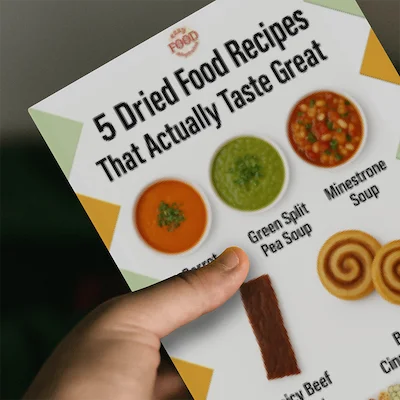
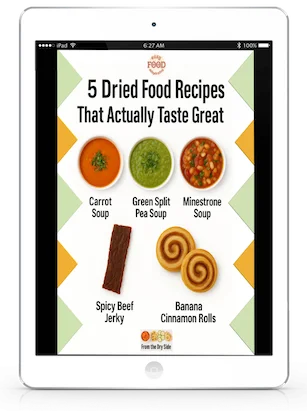
For more ways to use your dried food, download my free collection of 5 Dried Food Recipes That Actually Taste Great PDF below. It includes carrot soup, minestrone, split pea soup, spicy beef jerky, and banana cinnamon rolls.
5 Free Dried Food Recipes
That Actually Taste Great
Put your dried food to delicious use!
Five very different recipes.
Not one dull bite...
5 Free Dried Food Recipes
That Actually Taste Great
Put your dried food to delicious use!
Five very different recipes.
Not one dull bite...
More From Easy Food Dehydrating
Tuna Pasta Bake – Classic, Cheesy & Crispy Comfort Dish
Make a cheesy, crispy tuna pasta bake in under an hour—simple, budget-friendly, and packed with cozy flavor.
Cranberry and Pineapple Pie: A Fruity Holiday Treat
Cranberry and Pineapple Pie: A Fruity Holiday Treat - our fave holiday dessert! It'll become a fast-favorite of yours too!
Millet & Quinoa: Nutrition, Cooking & Storage Tips
Discover millet and quinoa benefits, how to rinse and cook, and easy ways to use and store these gluten-free staples.
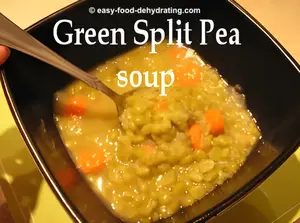
Green Split Pea Soup Made Easy in the Slow Cooker
Easy slow cooker green split pea soup with ham, carrots, and celery—comforting, flavorful, and simple to make.
Pea Soup with Dehydrated Peas: Smooth & Velvety
Make velvety pea soup with dehydrated peas, tarragon, and pantry staples—easy one-pot comfort in about 30 minutes.
Celery and Potato Soup Recipe – Easy & Delicious
Easy celery and potato soup made with simple ingredients—creamy, hearty, and perfect for a cozy meal.



More From Easy Food Dehydrating
Tuna Pasta Bake – Classic, Cheesy & Crispy Comfort Dish
Make a cheesy, crispy tuna pasta bake in under an hour—simple, budget-friendly, and packed with cozy flavor.
Cranberry and Pineapple Pie: A Fruity Holiday Treat
Cranberry and Pineapple Pie: A Fruity Holiday Treat - our fave holiday dessert! It'll become a fast-favorite of yours too!
Millet & Quinoa: Nutrition, Cooking & Storage Tips
Discover millet and quinoa benefits, how to rinse and cook, and easy ways to use and store these gluten-free staples.
Green Split Pea Soup Made Easy in the Slow Cooker
Easy slow cooker green split pea soup with ham, carrots, and celery—comforting, flavorful, and simple to make.
Pea Soup with Dehydrated Peas: Smooth & Velvety
Make velvety pea soup with dehydrated peas, tarragon, and pantry staples—easy one-pot comfort in about 30 minutes.
Celery and Potato Soup Recipe – Easy & Delicious
Easy celery and potato soup made with simple ingredients—creamy, hearty, and perfect for a cozy meal.
Before You Go...
If you enjoyed this page, tap the ❤️ in the lower right-hand corner.
It saves this page to your Grow bookmarks so you can find it again later.
You’ll also see quick share buttons to copy the link, post to Facebook,
or save it straight to Pinterest.
What We Mean by “Dehydrate”
Here at Easy Food Dehydrating, “dehydrate” always means using an electric food dehydrator — the easy, reliable way to dry food at home.
What We Mean by “Dehydrate”
Here at Easy Food Dehydrating, “dehydrate” always means using an electric food dehydrator — the easy, reliable way to dry food at home.

LATEST READS on EFD


-
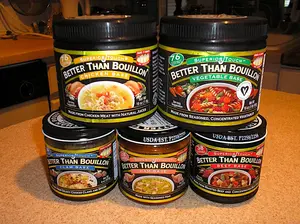
Better Than Bouillon: Uses, Storage & Cube Comparison
Sep 11, 26 10:46 AM
 Learn how to use Better Than Bouillon, how much makes one cup of broth, how it compares with cubes, and how to store opened jars safely.
 -
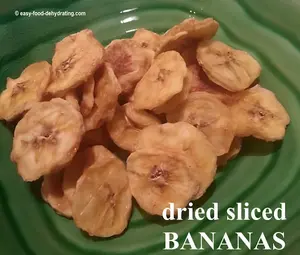
How to Dehydrate Bananas for Easy, Healthy Snacking
Sep 09, 26 02:32 PM
 Learn how to dehydrate bananas at 135°F, reduce browning, test for doneness, condition, and store them for delicious homemade snacks.
 -
How to Dehydrate Peas: Fresh, Frozen & Canned
Sep 09, 26 11:21 AM
 Learn how to dehydrate fresh, frozen, or canned peas with the right preparation, temperature, drying time, storage tips, and an easy glove trick!
Unlock the Secrets of Food Dehydrating... from Fruit 'n' Veg to Doggie Dinners!

AFFILIATE DISCLOSURE: I am an Affiliate for Amazon, and other sellers of quality merchandise. Should you purchase an item through their links, I may receive compensation. The price you pay does not increase. THANKS for your support! Read full disclosure here.
easy FOOD DEHYDRATING: Making food preservation simple since 2010. I show you how to keep your food pantry full, whatever the reason or season!

HOME ARTICLES CONTACT ADVERTISING DISCLOSURE DISCLAIMER FAQ PRIVACY SITEMAP TERMS TESTIMONIALS
ALL CONTENT COPYRIGHT © 2010-2025 • ALL RIGHTS RESERVED REGARDLESS OF LINKS OR ATTRIBUTIONS.
POWERED BY SBI! (SOLO BUILD IT!)
As an Amazon Associate, I earn from qualifying purchases.