
Homemade Pet Treats: Easy Dog & Cat Snack Ideas

Want to make wholesome homemade treats for your dog or cat? This page is your starting point for exploring dehydrated dog treats, snacks for fussy felines, liver treats, homemade pet food, and important ingredient-safety guidance.
Follow the links below to find the detailed page that best matches what you want to make—from simple meat treats and crunchy vegetable snacks to homemade meals for your dog.
✅ Quick Answer: How do you make homemade pet treats?
Start with plain, pet-safe ingredients and choose a treat suited to your dog or cat. Avoid seasonings and toxic foods such as onion, garlic, grapes, raisins, chocolate, and xylitol, and make sure animal proteins reach a safe internal temperature. Use the guides below to find the appropriate method for dog treats, cat treats, liver treats, or dehydrated pet food.
 Healthy homemade treats for dogs and cats 🐾
Dogs and cats have different nutritional needs, preferences, and tolerances, so the best treat for one may not suit the other. Dogs often enjoy a broader selection of meats, fruits, and vegetables, while cats generally prefer small, meat- or fish-based treats.
The guides below separate the dog, cat, and complete-meal information so you can choose the most appropriate starting point for your pet. Introduce any unfamiliar ingredient gradually, keep portions small, and ask your veterinarian for guidance if your pet has allergies, digestive problems, or another medical condition.
Easy Dehydrated Dog Treats

Homemade dog treats can be surprisingly simple. Plain chicken, lean beef, liver, sweet potato, and other dog-safe ingredients can be turned into small training rewards or larger occasional snacks. The best choice depends on your dog’s size, chewing habits, dietary needs, and favorite flavors.
Keep the ingredients plain—without added salt, sugar, sauces, or seasoning—and cut each treat into a size your dog can comfortably chew and swallow. Remember that homemade treats are extras and should not replace a complete and balanced everyday diet.
Cat Treats Even Fussy Felines Adore
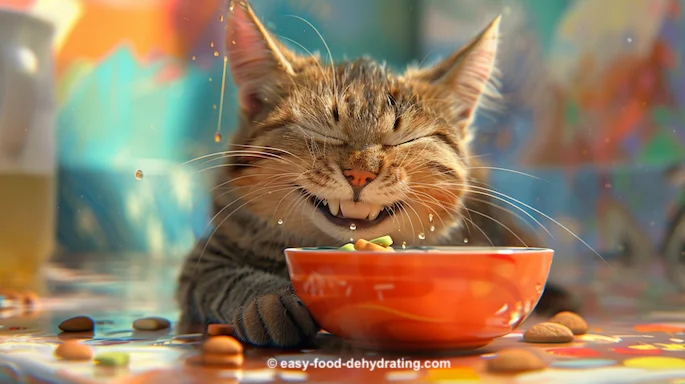
Cats can be wonderfully particular about their treats, but many enjoy small pieces of plain chicken, turkey, or fish. Because cats have different nutritional needs from dogs, keep their homemade treats meat-focused, unseasoned, and appropriately sized for their smaller mouths.
Offer these treats only as occasional extras—not as a replacement for complete and balanced cat food. If your cat has urinary, kidney, digestive, or weight concerns, check with your veterinarian before introducing a new homemade snack.
Dehydrated Liver Dog Treats
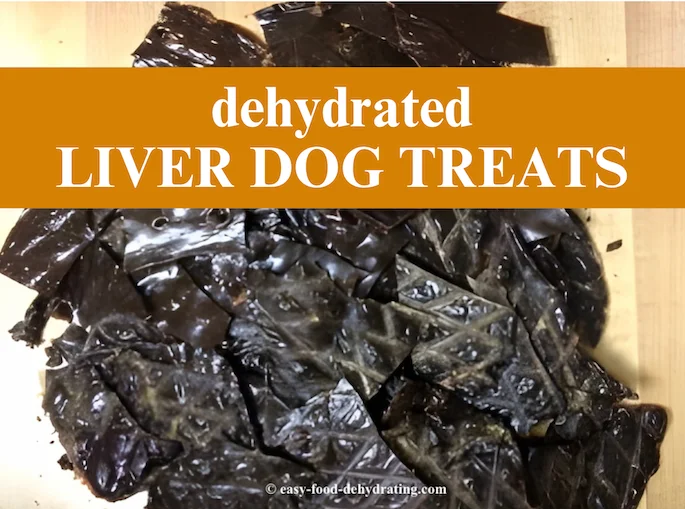
Liver makes a rich, strongly flavored treat that many dogs find irresistible. Because it is nutrient-dense, a little goes a long way—cut the finished liver into appropriately sized pieces and offer it in moderation rather than as an everyday food.
EFD reader Donna shared how she prepares homemade dehydrated liver treats for her dogs. Her page includes the ingredients, preparation method, dehydrating instructions, and photographs of the finished treats.
Dehydrated Pet Food for Meals and Travel
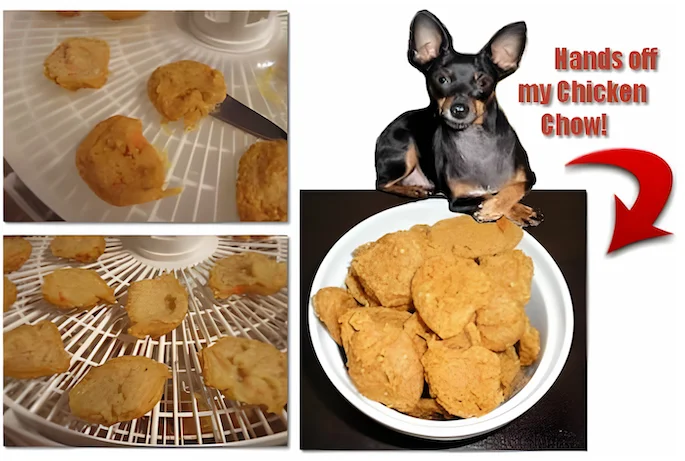
Homemade pet food can also be dehydrated in meal-sized portions for convenient storage, travel, or camping. My Chicken Chow mixture is spooned onto dehydrator trays in small portions—those are the “blobs” shown in the image—then dried thoroughly before being packed away.
The dried portions can be broken into smaller pieces and rehydrated with warm water before serving. If homemade food will regularly replace commercial pet food, ask your veterinarian or a board-certified veterinary nutritionist to confirm that the recipe provides complete and balanced nutrition for your dog.
What Not to Feed Your Pets
Even the healthiest homemade treats can turn dangerous if the wrong ingredients sneak in. Some foods that are perfectly fine for humans can make pets sick — or worse.
Common Foods to Avoid
🛑 Onion, garlic, chives, leeks, and shallots - can damage red blood cells in dogs and cats.
🛑 Chocolate, coffee, tea - and other sources of caffeine can cause serious poisoning.
🛑 Grapes, raisins, currants, and sultanas - can cause sudden kidney failure in dogs.
🛑 Xylitol - a sweetener found in some peanut butters and sugar-free products, is extremely dangerous to dogs.
🛑 Alcohol and raw yeast dough - can cause potentially life-threatening poisoning.
🛑 Macadamia nuts - can cause weakness, vomiting, tremors, and other symptoms in dogs.
Quick Tip: Check every ingredient label, particularly on peanut butter, broth, baby food, and other prepared products. If you think your pet has eaten something toxic, contact your veterinarian or the ASPCA Animal Poison Control Center at (888) 426-4435 promptly.
For additional guidance, see the ASPCA’s guide to people foods to avoid.
Guest Pet Treat Recipes and Pet Food Safety Guides
This collection includes homemade treat ideas contributed by EFD readers, along with practical articles about choosing and preparing food for dogs of different ages and needs. Browse the links below for one-ingredient treats, dog-safe vegetables, and advice about dehydrated dog food.
Guest Pet Treat Ideas
Dog Treats by Donna: Easy One-Ingredient Chicken Jerky
Dehydrated Sweet Potato Treats: Human and Dog Approved
Pet Food Safety Guides
Dehydrated Dog Food: Is It a Good Option for Your Pet?
Is Dehydrated Dog Food Safe for Puppies and Senior Dogs?
Dog-Safe Kitchen Decor: Keep Your Best Friend Safe at Home
Make Your Own Dog Food
Ready to go beyond occasional treats? My homemade dog food guide walks you through making Chicken Chow and Bow Wow Beefy Chow, with instructions for preparing, serving, storing, and dehydrating the food for later use.
Learn how to make homemade dog food →
Make Nutritious Dog Food at Home

My Make Your Own Dog Food book brings the recipes and instructions together in one convenient guide. You’ll learn how to prepare Chicken Chow and Bow Wow Beefy Chow, handle the ingredients safely, and store the finished food.
It also explains how to dehydrate homemade dog food for travel or convenient storage, with clear, easy-to-follow steps from preparation through rehydration.
FAQs About Making Homemade Pet Treats
Before making your first batch, review these common questions about ingredients, portions, equipment, and safe storage.
What ingredients are unsafe for dogs and cats?
What ingredients are unsafe for dogs and cats?
Avoid onion, garlic, chives, leeks, chocolate, caffeine, alcohol, raw yeast dough, grapes, raisins, and products containing xylitol. Always check ingredient labels, as toxic sweeteners or seasonings may be hidden in peanut butter, broth, and other prepared foods.
Can I use peanut butter in homemade dog treats?
Can I use peanut butter in homemade dog treats?
Yes, provided it does not contain xylitol or other unsuitable additives. Choose plain, unsalted peanut butter and use it sparingly because it is high in calories and fat.
How long do homemade pet treats last?
How long do homemade pet treats last?
Storage time depends on the ingredients, thickness, drying method, and remaining moisture. Do not automatically assume homemade treats are shelf-stable. Refrigerate homemade meat treats, freeze any surplus, and discard treats that develop moisture, mold, an unusual odor, or a change in texture.
Should I use an oven or a dehydrator to make pet treats?
Should I use an oven or a dehydrator to make pet treats?
Both can work. A dehydrator provides steady airflow and controlled low heat, while an oven can be used at its lowest suitable setting. Animal proteins must reach a safe internal temperature, so follow the preparation and heating instructions in the individual treat guide.
How many treats can I give my pet each day?
How many treats can I give my pet each day?
Treats should provide less than 10% of your pet’s daily calories and should never replace a complete and balanced diet. The appropriate amount depends on your pet’s size, age, activity level, health, and the calorie content of each treat.
Choose the Right Homemade Treat for Your Pet
Making your own pet treats can be a rewarding way to control the ingredients and discover which flavors your dog or cat enjoys most. Begin with a simple, pet-safe ingredient, follow the appropriate preparation guide, and introduce the finished treat in a small portion.
Use the dog-treat or cat-treat guides above for species-specific ideas, try Donna’s liver or chicken treats for a simple meat-based option, or explore the dehydrated pet-food guide when you want to prepare something more substantial. Whichever you choose, homemade treats should complement—not replace—your pet’s complete and balanced everyday diet.
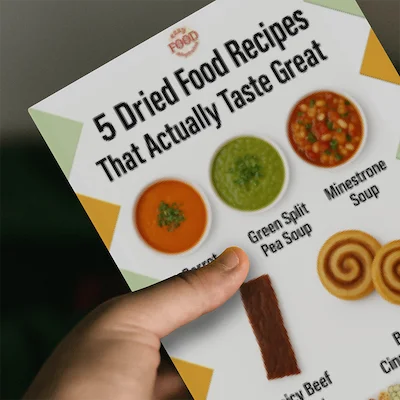
And for the human readers: Don’t miss my free 5 Dried Food Recipes That Actually Taste Great PDF below—featuring carrot soup, minestrone, split pea soup, spicy beef jerky, and even banana cinnamon rolls.
5 Free Dried Food Recipes
That Actually Taste Great
Put your dried food to delicious use!
Five very different recipes.
Not one dull bite...
5 Free Dried Food Recipes
That Actually Taste Great
Put your dried food to delicious use!
Five very different recipes.
Not one dull bite...
More From Easy Food Dehydrating
How to Make Dog Treats: Easy and 100% Pup-Approved!
How to make dog treats at home! Dehydrate healthy, homemade dog treats your pup will love—fresh and preservative-free!
How to Dehydrate Pet Food for Travel or Daily Use
Dehydrate homemade pet food for travel or daily use. Safe temps, storage tips, and DIY Chicken Chow recipe.
How to Make Homemade Dog Food: Chicken & Beef Recipes
Meet Chicken Chow-Chow and Bow Wow Beefy Chow, learn how I prepared Minnie’s meals, and discover what to consider before feeding homemade dog food daily.


More From Easy Food Dehydrating
How to Make Dog Treats: Easy and 100% Pup-Approved!
How to make dog treats at home! Dehydrate healthy, homemade dog treats your pup will love—fresh and preservative-free!
How to Dehydrate Pet Food for Travel or Daily Use
Dehydrate homemade pet food for travel or daily use. Safe temps, storage tips, and DIY Chicken Chow recipe.
How to Make Homemade Dog Food: Chicken & Beef Recipes
Meet Chicken Chow-Chow and Bow Wow Beefy Chow, learn how I prepared Minnie’s meals, and discover what to consider before feeding homemade dog food daily.
Before You Go...
If you enjoyed this page, tap the ❤️ in the lower right-hand corner. It saves this page to your Grow bookmarks so you can find it again later.
You’ll also see quick share buttons to copy the link, post to Facebook, or save it straight to Pinterest.
Test Your Food-Dehydrating
Know-How
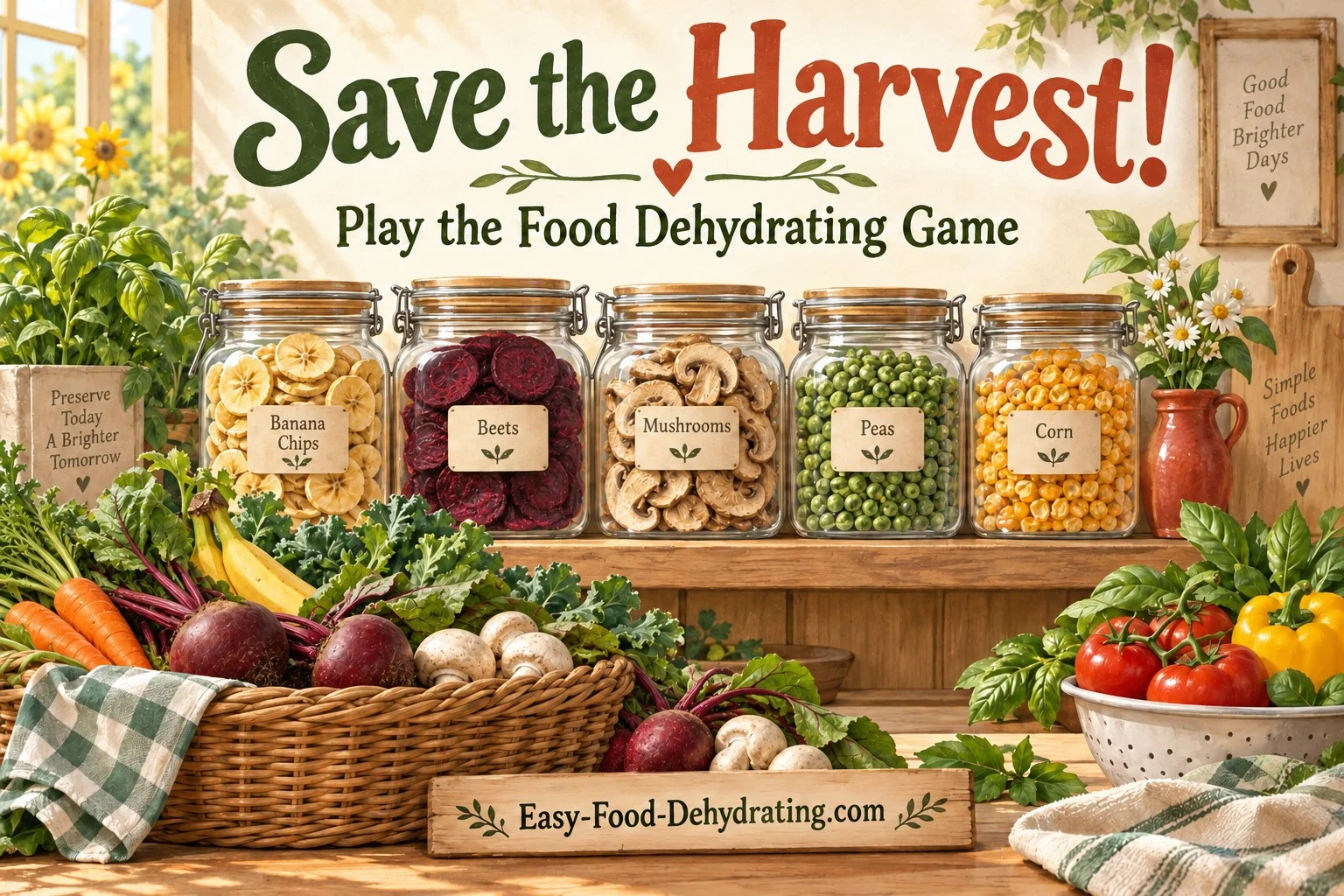
Choose a food, make the right preparation, drying, and storage decisions—and see how many stars you can earn!
Play “Save the Harvest”Test Your Food-Dehydrating
Know-How
Choose a food, make the right preparation, drying, and storage decisions—and see how many stars you can earn!
What We Mean by “Dehydrate”
Here at Easy Food Dehydrating, “dehydrate” always means using an electric food dehydrator — the easy, reliable way to dry food at home.
What We Mean by “Dehydrate”
Here at Easy Food Dehydrating, “dehydrate” always means using an electric food dehydrator — the easy, reliable way to dry food at home.


LATEST READS on EFD


-
How to Dehydrate Citrus Slices: Lemons, Limes & Oranges
Sep 19, 26 03:28 PM
 Learn how to dehydrate citrus slices at 135°F. Easy steps for lemons, limes, and oranges with tips for checking doneness, conditioning, and storage.
 -
How to Dehydrate Cabbage: Temperature, Storage & Creamy Slaw
Sep 19, 26 11:57 AM
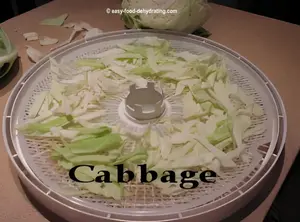
 Learn how to dehydrate cabbage at 125°F, including how to prepare, steam-blanch, test for doneness, condition, store, rehydrate, and make creamy coleslaw.
 -
How to Make Homemade Dog Food: Chicken & Beef Recipes
Sep 18, 26 01:11 PM
 Meet Chicken Chow-Chow and Bow Wow Beefy Chow, learn how I prepared Minnie’s meals, and discover what to consider before feeding homemade dog food daily.
Unlock the Secrets of Food Dehydrating... from Fruit 'n' Veg to Doggie Dinners!




AFFILIATE DISCLOSURE: I am an Affiliate for Amazon, and other sellers of quality merchandise. Should you purchase an item through their links, I may receive compensation. The price you pay does not increase. THANKS for your support! Read full disclosure here.
easy FOOD DEHYDRATING: Making food preservation simple since 2010. I show you how to keep your food pantry full, whatever the reason or season!

HOME ARTICLES CONTACT ADVERTISING DISCLOSURE DISCLAIMER FAQ PRIVACY SITEMAP TERMS TESTIMONIALS
ALL CONTENT COPYRIGHT © 2010-2025 • ALL RIGHTS RESERVED REGARDLESS OF LINKS OR ATTRIBUTIONS.
POWERED BY SBI! (SOLO BUILD IT!)
As an Amazon Associate, I earn from qualifying purchases.