
How Bev Built a Greenhouse Using Recycled Windows

Want an affordable greenhouse without paying for an expensive kit? Take inspiration from Bev, who transformed the unused space beneath her upper deck into a greenhouse and potting shed. She incorporated old windows into the structure, along with new siding and other building materials, to create a practical growing space that makes remarkably clever use of an otherwise wasted area.
✅ Quick Answer: Can you build a greenhouse using old windows?
Yes. Old windows can be incorporated into a properly framed greenhouse to provide light while reducing the amount of new material required. Bev’s greenhouse is an especially clever example: she used reclaimed windows, new siding, and other building materials to transform the unused space beneath her upper deck into a protected growing and potting area.
Bev’s greenhouse combines recycled windows with new construction materials, including wood siding, counters, shelving, and pegboard. By fitting the structure beneath her existing upper deck, she created a sheltered greenhouse and potting area without sacrificing additional space elsewhere in her yard.
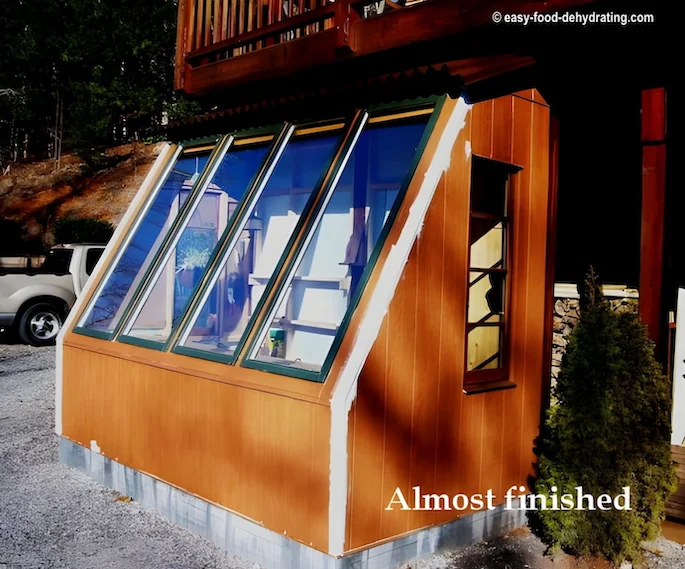
How Bev Turned the Space Beneath Her Deck Into a Greenhouse
Bev began building her greenhouse and potting shed in October 2011. The project spanned approximately two months, although the actual construction took closer to one month because illness and a trip interrupted the work.
“I built four bins—two on top and two underneath—for storing potting mixtures,” Bev explains.
Built-In Bins for Potting Mixes and Winter Greens
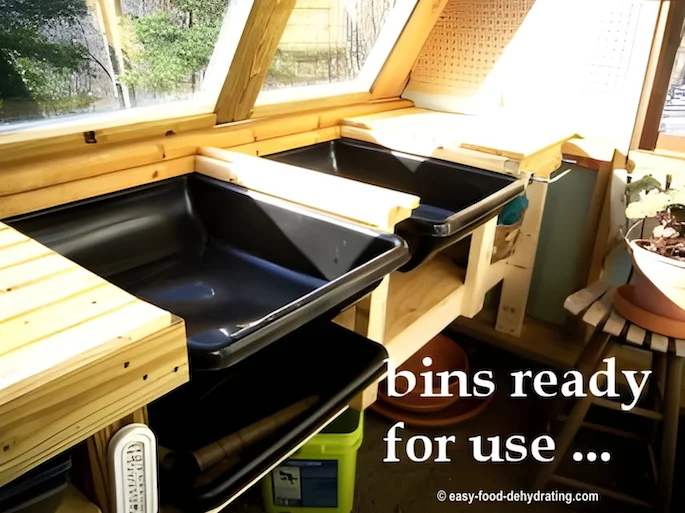
The two upper bins have removable covers, allowing Bev to plant lettuce and spinach directly in them during winter. The two lower bins provide convenient storage for potting mixtures.
“All the counters are made from slatted boards,” Bev says. “I’ve started broccoli and cabbage in pots, and a few are already coming up. I can’t wait to get them outside where they can receive some real sunshine!”
After staining the counters, Bev planned to protect them with spa varnish before using the work area regularly. Onions were next on her planting list because she grows them from seed and prefers to start them early.
Building the Greenhouse Around the Recycled Windows
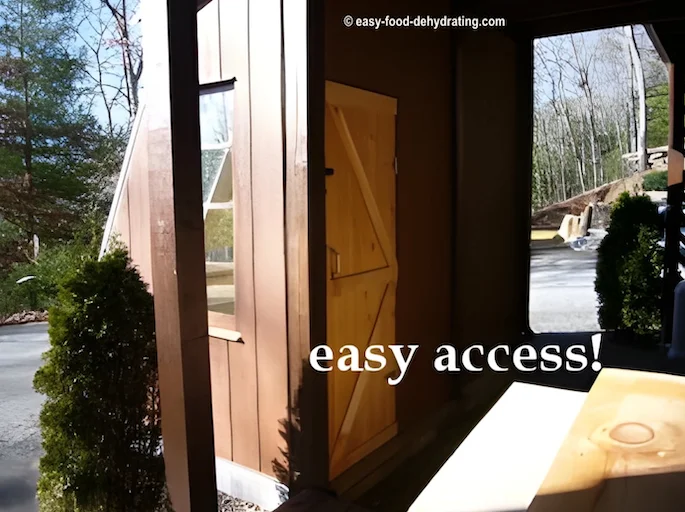
Because the recycled windows came in different sizes, Bev and her husband designed and built the greenhouse around them. As Bev jokingly describes the process, it was a case of “measure twice and cut three times!”
They considered themselves complete beginners at DIY, although you wouldn’t know it from the finished greenhouse. Once the construction was complete, only a little touch-up painting and staining remained.
The windows were recycled, but the other construction materials were purchased new from Lowe’s. For the exterior, Bev used LP SmartSide panel siding, which has a pressed-wood surface on one side and a molded wood-panel appearance on the other. It came pre-primed and ready to paint.
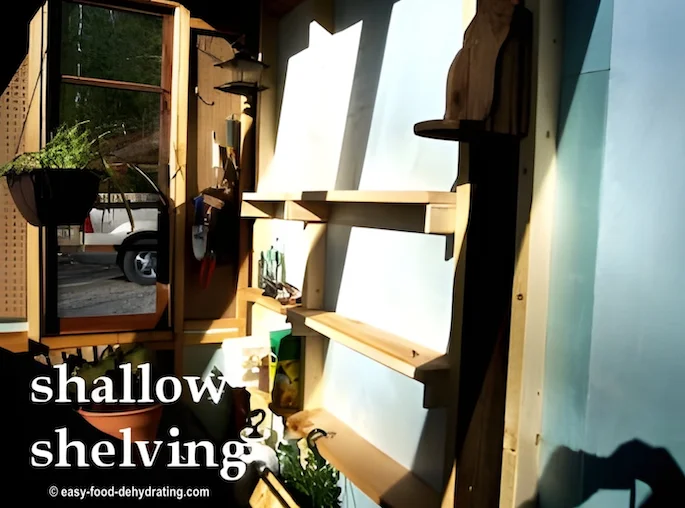
Inside the greenhouse, she installed pegboard to provide an accessible place for hanging and organizing gardening tools.
What Bev Grows in Her Greenhouse
I asked Bev what she planned to grow in her recycled-window greenhouse.
“I start all my seedlings here, including tomatoes, peppers, squash, herbs, flowers, and eggplant,” she says. “I also started broccoli, cabbage, and Swiss chard in the greenhouse, but those have now been moved outside.”
What Bev Learned Through the Master Gardener Program
Wanting to expand her gardening knowledge, Bev enrolled in a Master Gardener program. Her classes ran from February 2 through April 19, after which she proudly became a certified Master Gardener.
I asked her which lessons she found most valuable.
“We had some excellent hands-on classes about pruning fruit trees and smaller fruits such as grapes, blueberries, and raspberries,” Bev says. “We also learned about companion planting and farmscaping—using combinations of vegetables, flowers, and other plants to attract beneficial insects, discourage certain pests, and support a healthier garden.”
She also learned about crop rotation, including the importance of avoiding repeatedly planting vegetables from the same botanical family in the same location.
How Bev Uses Her Master Gardener Training
I asked Bev whether she intended to use her Master Gardener training mainly in her own garden or share what she had learned with others.
“Mostly for my own use, but I’m also helping to start a community garden and plan to do volunteer work in Jackson and Swain counties in North Carolina,” she explains.
At the time of our conversation, Bev said participants were expected to complete additional training and contribute between 20 and 40 hours of volunteer work each year to maintain their Master Gardener status. Requirements can vary by program and may change over time.
A Look Inside Bev’s Greenhouse and Potting Shed
Bev made excellent use of the greenhouse walls by adding shallow shelves for storing flowerpots without taking up valuable workspace. Combined with the slatted counters, covered bins, and wall-mounted pegboard, these small details make the compact area remarkably practical.
Bev is certainly a hard-working lady. In addition to gardening, completing her Master Gardener training, and volunteering in her community, she also worked as a Realtor.
What to Consider Before Building With Recycled Windows
⚠️ Important Safety Note: Test Old Painted Windows
Older windows and doors may contain lead-based paint. Sanding, scraping, cutting, or otherwise disturbing that paint can create hazardous lead dust. Test painted salvaged materials before working on them, and follow current EPA lead-safe guidance if lead is present. Do not reuse windows with badly deteriorated paint, loose glazing, cracked glass, extensive rot, or structural damage.
Before using Bev’s greenhouse as inspiration for your own project, consider the condition of your materials, the proposed location, and the structural requirements in your area.
- Check local building and permit requirements before drawing your plans, especially if the greenhouse will be attached to—or positioned beneath—an existing structure.
- Measure and label every recycled window. Because reclaimed windows rarely match, it is usually easier to design the framing around the available window sizes.
- Inspect every window for cracked glass, damaged frames, rot, mold, and deteriorating paint before deciding whether it can be safely reused.
- Choose a level, well-drained location that receives sufficient sunlight for the plants you intend to grow.
- Use a properly anchored and braced frame that can withstand the expected wind, rain, and snow loads in your area. Ask an experienced builder or qualified professional for help if you are uncertain about the structure.
- Plan for ventilation from the beginning. Opening windows, roof vents, fans, and shade cloth can help prevent dangerous heat and excessive humidity from building up inside.
- Use a suitable weather-resistant roof rather than relying on old windows overhead. Properly installed greenhouse roofing is generally lighter and safer and allows rainwater to drain away.
- Protect exposed wood from moisture and allow sufficient airflow around counters, shelves, and stored potting materials.
- If you plan to install electricity, lighting, fans, or a heater, use equipment suitable for damp environments and have the work completed safely.
Frequently Asked Questions About Recycled-Window Greenhouses
What materials can I safely reuse in a greenhouse?
What materials can I safely reuse in a greenhouse?
Sound windows, solid doors, shelving, hardware, and structurally suitable lumber may be reusable. Inspect everything for rot, mold, insect damage, cracked glass, loose glazing, sharp edges, and deteriorating paint. Painted older windows and doors should be tested for lead before you sand, cut, scrape, or otherwise disturb the finish.
Can you build a greenhouse beneath an upper deck?
Can you build a greenhouse beneath an upper deck?
Potentially, provided the location receives enough sunlight and the existing deck is structurally sound. The greenhouse must not interfere with deck supports, drainage, access, or required ventilation. Check local building requirements and consult a qualified professional before attaching anything to an existing deck or altering its structure.
Can I grow food year-round in a recycled-window greenhouse?
Can I grow food year-round in a recycled-window greenhouse?
That depends on your climate, available sunlight, the crops being grown, and whether the greenhouse has sufficient heating, cooling, and ventilation. An unheated greenhouse may extend the growing season or protect cool-weather crops, but it will not automatically keep every plant growing throughout winter.
How do I prevent a recycled-window greenhouse from overheating?
How do I prevent a recycled-window greenhouse from overheating?
Include opening windows or vents on opposing sides to create cross-ventilation. Fans, roof vents, automatic vent openers, and shade cloth may also be needed. Monitor the temperature because a closed greenhouse can become dangerously hot surprisingly quickly.
What is the safest way to heat a greenhouse in cold weather?
What is the safest way to heat a greenhouse in cold weather?
Choose equipment specifically approved for greenhouse or damp-location use and suitable for the size of the structure. Proper installation, ventilation, clearance from combustible materials, and carbon-monoxide protection are essential when using any fuel-burning heater. Electrical work should be completed safely using appropriate outdoor or damp-location protection.
How long will a greenhouse made with recycled windows last?
How long will a greenhouse made with recycled windows last?
Its lifespan depends on the condition of the windows, framing, foundation, roof, fasteners, weatherproofing, and local climate. Regularly inspect the structure for leaks, loose glass, failing seals, rot, corrosion, and movement, and repair problems promptly.
Inspired by Bev’s Recycled-Window Greenhouse?
Bev’s greenhouse shows what can be achieved when an awkward, unused area is combined with recycled windows and some imaginative planning. The covered space beneath her upper deck became a practical greenhouse and potting shed filled with counters, storage bins, shelves, gardening tools, and young plants.
If Bev’s project has inspired an idea for your own yard, begin by assessing the available space and collecting accurate measurements. You can then decide whether recycled windows could be safely incorporated into a properly designed structure—and perhaps create a productive growing area in a place you had previously overlooked.
Before you go, be sure to grab your free 5 Dried Food Recipes That Actually Taste Great PDF below—featuring carrot soup, minestrone, split pea soup, spicy beef jerky, and even banana cinnamon rolls.

5 Free Dried Food Recipes
That Actually Taste Great
Put your dried food to delicious use!
Five very different recipes.
Not one dull bite...
5 Free Dried Food Recipes
That Actually Taste Great
Put your dried food to delicious use!
Five very different recipes.
Not one dull bite...
More From Easy Food Dehydrating
Be Prepared for Hurricane Season: Food, Water, Safety
Be prepared for hurricane season: store water, prep dehydrated foods, secure shutters, and gather supplies early.
Dehydrating Food Articles: Dehydrate Food Safely
Dehydrating Food Articles: See WHY you should be dehydrating food right now...
Fight Inflation and Be Survival Savvy with Dehydrating
Fight inflation and be survival savvy: dehydrate food, bake basics, and cut waste to save money and stock your pantry.
Hurricanes Frances and Jeanne: Our 2004 Survival Story
How we survived hurricanes Frances and Jeanne in 2004—lessons learned, food loss, and how dehydration changed our prep.
Rehydrating Dehydrated Food: Easy Methods That Work
Learn how to rehydrate dehydrated food with safe water ratios and soaking times for fruits, vegetables, and meat, plus storage and texture tips.
Conditioning Fruits and Vegetables After Dehydrating
Learn how to condition dried fruit for 7–10 days, check for condensation and mold, and understand why properly dried vegetables usually don’t need it.



More From Easy Food Dehydrating
Be Prepared for Hurricane Season: Food, Water, Safety
Be prepared for hurricane season: store water, prep dehydrated foods, secure shutters, and gather supplies early.
Dehydrating Food Articles: Dehydrate Food Safely
Dehydrating Food Articles: See WHY you should be dehydrating food right now...
Fight Inflation and Be Survival Savvy with Dehydrating
Fight inflation and be survival savvy: dehydrate food, bake basics, and cut waste to save money and stock your pantry.
Hurricanes Frances and Jeanne: Our 2004 Survival Story
How we survived hurricanes Frances and Jeanne in 2004—lessons learned, food loss, and how dehydration changed our prep.
Rehydrating Dehydrated Food: Easy Methods That Work
Learn how to rehydrate dehydrated food with safe water ratios and soaking times for fruits, vegetables, and meat, plus storage and texture tips.
Conditioning Fruits and Vegetables After Dehydrating
Learn how to condition dried fruit for 7–10 days, check for condensation and mold, and understand why properly dried vegetables usually don’t need it.
Before You Go...
If you enjoyed this page, tap the ❤️ in the lower right-hand corner.
It saves this page to your Grow bookmarks so you can find it again later.
You’ll also see quick share buttons to copy the link, post to Facebook,
or save it straight to Pinterest.
What We Mean by “Dehydrate”
Here at Easy Food Dehydrating, “dehydrate” always means using an electric food dehydrator — the easy, reliable way to dry food at home.
What We Mean by “Dehydrate”
Here at Easy Food Dehydrating, “dehydrate” always means using an electric food dehydrator — the easy, reliable way to dry food at home.


LATEST READS on EFD


-
Better Than Bouillon: Uses, Storage & Cube Comparison
Sep 11, 26 10:46 AM
 Learn how to use Better Than Bouillon, how much makes one cup of broth, how it compares with cubes, and how to store opened jars safely.
 -
How to Dehydrate Bananas for Easy, Healthy Snacking
Sep 09, 26 02:32 PM
 Learn how to dehydrate bananas at 135°F, reduce browning, test for doneness, condition, and store them for delicious homemade snacks.
 -
How to Dehydrate Peas: Fresh, Frozen & Canned
Sep 09, 26 11:21 AM
 Learn how to dehydrate fresh, frozen, or canned peas with the right preparation, temperature, drying time, storage tips, and an easy glove trick!

Unlock the Secrets of Food Dehydrating... from Fruit 'n' Veg to Doggie Dinners!




AFFILIATE DISCLOSURE: I am an Affiliate for Amazon, and other sellers of quality merchandise. Should you purchase an item through their links, I may receive compensation. The price you pay does not increase. THANKS for your support! Read full disclosure here.
easy FOOD DEHYDRATING: Making food preservation simple since 2010. I show you how to keep your food pantry full, whatever the reason or season!

HOME ARTICLES CONTACT ADVERTISING DISCLOSURE DISCLAIMER FAQ PRIVACY SITEMAP TERMS TESTIMONIALS
ALL CONTENT COPYRIGHT © 2010-2025 • ALL RIGHTS RESERVED REGARDLESS OF LINKS OR ATTRIBUTIONS.
POWERED BY SBI! (SOLO BUILD IT!)
As an Amazon Associate, I earn from qualifying purchases.