- Home
- Product Reviews
- FoodSaver Reusable Vacuum Sealer Bags Review

FoodSaver Reusable Vacuum Sealer Bags Review: Worth It?

In this FoodSaver reusable vacuum sealer bags review, I'll show you how these bags performed in real-life use — from sealing deli meat to producing one very disappointing, soggy cucumber.
✅ Quick Answer: Are FoodSaver reusable vacuum sealer bags worth buying?
Yes. FoodSaver reusable vacuum sealer bags are a practical choice for frequently accessed foods in the refrigerator or pantry. They're sturdy, easy to reseal, and can reduce waste, but the zipper and valve need to maintain a reliable vacuum. For very wet foods or longer unattended freezer storage, I prefer a heat-sealed bag.
At a Glance
Best for: Deli meat, cheese, dry foods, meal prep, and refrigerator items you open and reseal frequently
Not ideal for: Very wet foods or food you plan to leave unattended in the freezer for a long time
Bottom line: Convenient and genuinely reusable—but always check that the zipper and valve are still holding the vacuum
Get them on Amazon here:
Quart Bags link to Amazon ~ Gallon Bags link to Amazon
(Both are my Amazon Affiliate links, thanks!)
I was getting tired of using the tubs that the deli meat comes in; the lids started to crack at the corners, and, well... I'm not able to draw the air out of them.
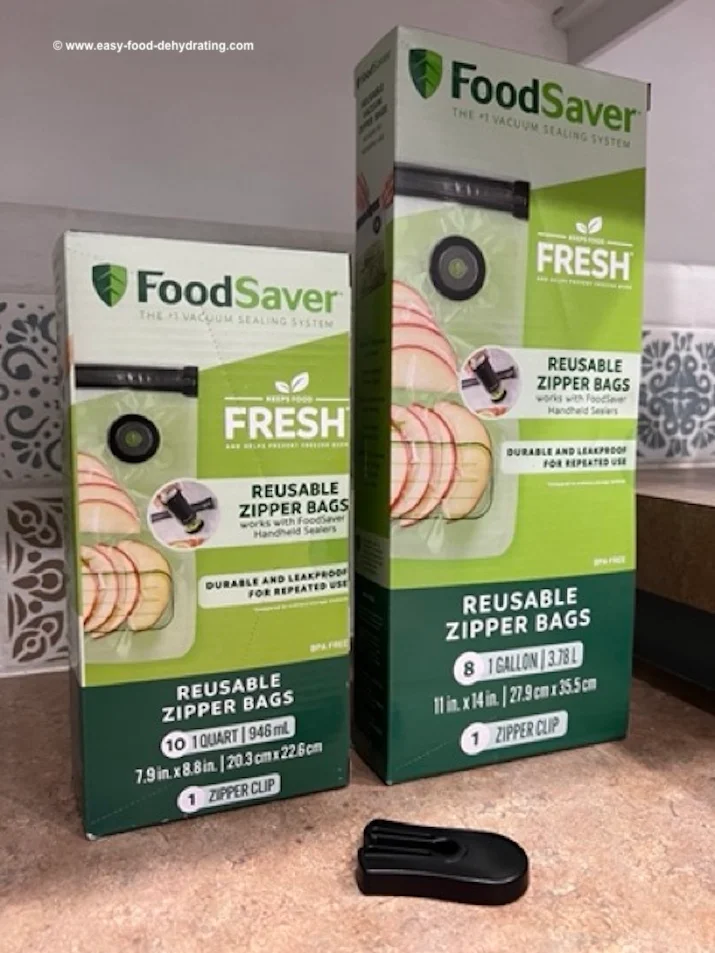
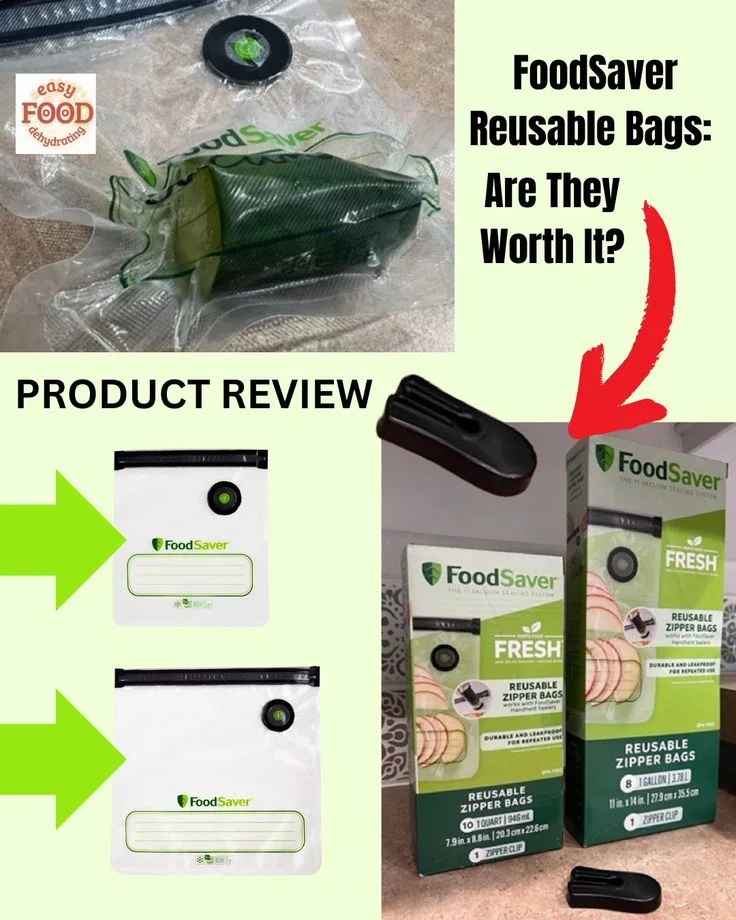
The image below shows the FoodSaver® Reusable Quart Vacuum Zipper Bags, which are sold ten to a box.

As an Amazon Associate, I earn from qualifying purchases — this does not affect the price you pay. Read full disclosure.
Each box also includes a handy-dandy black zipper closure tool. Use
it—it works wonders and helps prevent a tiny gap in the zipper from
ruining the vacuum. You should have seen me messing around with just my
fingers before I realized the tool was in the box. (Sigh.)
Below are the FoodSaver® Reusable Gallon Vacuum Zipper Bags, which are sold eight to a box. They also include the black zipper closure tool.

As an Amazon Associate, I earn from qualifying purchases — this does not affect the price you pay. Read full disclosure.
How FoodSaver Reusable Bags Performed in Real Use
If you know "for sure" what's going in the bag, take the time NOW while it's empty to write what's in it and more importantly, the DATE. Much easier to tackle that now, than later. (Ask me how I know...)
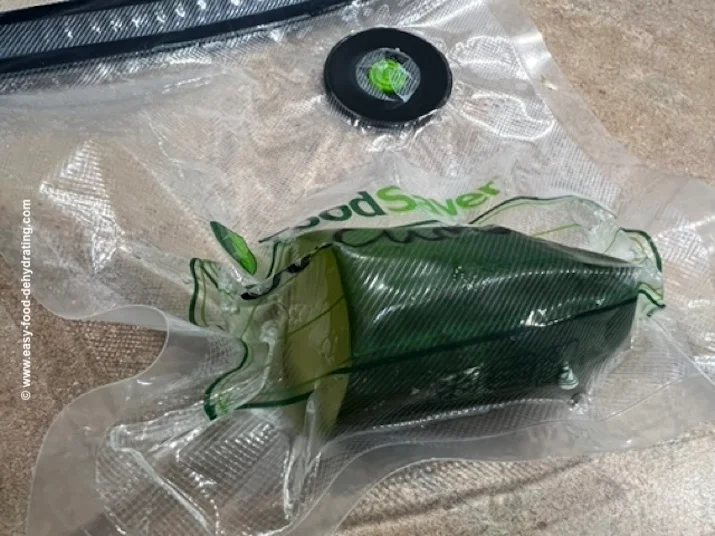 Soggy cucumber in a reusable bag
I'm a bit miffed at my SOGGY cucumber - it didn't do too well. Probably because of its high water content - still, I did expect it to last more than a measly week. Some you win, some you lose.
If you discover your bags have lost their seal, double-check the zipped end. Even after using the black zipper closure tool, I run my thumb down the entire strip, just for the heck of it, and then draw the air out.
If, after a few uses, the seal doesn't hold at all then the bag is worn out. It's probably NOT the zipper part, but the bag valve itself. I know they call them "reusable" but that does not mean for an eternity.
What I learned from using these bags:
- Lower-moisture foods are a much better fit than watery produce.
- The black zipper tool helps, but I still check the entire zipper with my thumb.
- If a bag loses its vacuum, check both the zipper and the valve before blaming the sealer.
- Reusable does not mean indestructible. When a bag no longer holds a reliable seal, it's time to replace it.
Which Sealers and Hoses Work with FoodSaver Reusable Bags?
FoodSaver recommends using these reusable bags with a FoodSaver handheld sealer or a FoodSaver machine equipped with a compatible handheld accessory.
The hose I use — with the green ends shown below — isn't a FoodSaver-branded hose. It worked with my older machine because its suction end fit the bag valve securely. That's my tested setup, though, not a promise that every third-party hose will fit every FoodSaver model. Check your machine and the hose specifications before ordering.
Accessory Hose Compatible with FoodSaver Vacuum Sealer

As an Amazon Associate, I earn from qualifying purchases — this does not affect the price you pay. Read full disclosure.
TIP: My older FoodSaver doesn't always stop automatically when I use the accessory hose. I listen for the sound to rise as the air leaves the bag, then stop the machine when the vacuum looks complete.
To release the hose without disturbing the seal, I gently tilt the rubber end sideways before lifting it away. You can see and hear exactly what I mean in the demonstrations below.
Pawcute Demo Video Using the Hose Shown Earlier

Is a Portable Vacuum Sealer Worth It?
A portable handheld sealer can be worthwhile if you don't want to pull out a full-size FoodSaver every time you reopen a bag. It's also handy for camping, travel, or any place where you might want to reseal food away from your kitchen counter.
I later tried a rechargeable handheld model that works with compatible bags and Mason jars. Rather than turn this FoodSaver bag review into a second equipment review, I've put that demonstration and my older-FoodSaver workaround on my Pawcute Mason Jar Vacuum Sealer review page.
And yes, you could take one camping to re-vacuum a bag of chips—although that would be pointless in my world. Once the chips are opened, they're g-o-n-e.
Watch This Demo: Sealing with FoodSaver Reusable Bags

In this video, I'm sealing plastic cartons of blueberries and strawberries separately inside FoodSaver reusable bags.
Listen to the machine as it removes the air. The sound rises as the vacuum develops, which helps me judge when to stop my older FoodSaver. You can also watch the Pawcute demonstration above to hear the same change in sound with the accessory hose.
And yes, I filmed this before realizing the black zipper tool was hiding in the box. Duh to me.
FoodSaver Reusable Bags vs Standard Vacuum Sealer Bags
FoodSaver reusable zipper bags and standard heat-sealed bags solve different storage problems.
Reusable bags have a zipper and built-in valve, so you can open, wash, and reseal them. I like them for foods I reach for regularly, especially in the refrigerator or pantry. Standard FoodSaver bags — the cut-and-heat-seal kind — must be cut open, but they are my preference when I want a more permanent seal for longer storage.
The reusable bags cost more per bag upfront, but repeated use can offset that cost. The tradeoff is that they must be washed and dried completely, and the zipper or valve can eventually stop holding a dependable vacuum.
| Feature | Reusable Zipper Bags | Heat-Sealed Bags |
|---|---|---|
| Opening again | Open and reseal repeatedly | Cut open; resealing requires another heat seal |
| Best use | Frequently accessed refrigerator or pantry foods | Longer unattended storage |
| Very moist foods | Harder to clean and dry; moisture can complicate sealing | Usually the better choice when properly prepared and sealed |
| Cleaning | Hand-wash and dry completely | Generally treated as single-use |
| Possible failure point | Zipper, valve, or puncture | Heat seal or puncture |
| Equipment | Compatible handheld sealer or accessory | Heat-sealing vacuum machine |
Who FoodSaver Reusable Bags Are Best For
To me, FoodSaver reusable vacuum sealer bags are worth buying — especially for food I use regularly from the refrigerator or pantry. They remove the pockets of air you get in ordinary containers, and because the bags stand upright, I can organize them like books on a shelf instead of unstacking six tubs to reach the one that is inevitably at the bottom.
They're thick, sturdy, and much easier to close with that little black zipper tool. Just remember that the zipper and valve have to keep doing their jobs. If either one wears out and the bag stops holding a vacuum, the bag has reached the end of its reusable life.
The bags also shrink around the food and save space — the same principle as those under-the-bed bags that squash a king-size quilt down to almost nothing.
I wish I could use one on me to make myself thinner.
Here are the main pros and cons I've found from actually using them:
Pros of FoodSaver Reusable Vacuum Sealer Bags
- Sturdy and high quality – The bags feel thick and well-made.
- Reusable multiple times – Save money and reduce waste versus single-use bags.
- Stand upright in the fridge – Easy to organize like books on a shelf.
- Zipper tool included – The black closure gadget makes sealing easier.
- Useful for deli meat, cheese, dry goods, and selected produce – Low-moisture foods are the safest bet; very watery produce may disappoint.
Cons of FoodSaver Reusable Vacuum Sealer Bags
- Not my first choice for long unattended freezer storage – Although FoodSaver markets them as freezer-safe, I prefer heat-sealed bags when I want a more permanent seal.
- Seals can weaken over time – Especially around the valve after several uses.
- Can be tricky to clean – Not ideal for raw meat or sticky items.
- Soggy results with high-moisture foods – Cucumbers and similar foods may not hold up well.
Cleaning and Reusing FoodSaver Bags: What Actually Works
It's not an easy task, to be honest. I love this lady from "America's Test Kitchen" and what she says about cleaning reusable bags makes a lot of sense! Check it out. Great tip at the end (it's only 48 seconds long, you've got this!)

How I Clean My Reusable FoodSaver Bags
I've tried several cleaning approaches, but this straightforward method works best for me:
- Wash: Fill the bag with warm, soapy water. Swish it around and use your fingers or a soft brush to reach the inside corners.
- Rinse: Rinse thoroughly until no soap or food residue remains.
- Air-dry: Prop the bag open with a clean jar or spatula handle so air can reach the corners.
- Finish drying: If necessary, use a clean paper towel to remove the last traces of moisture inside. The bag, zipper, and valve should be completely dry before storage or reuse.
My preference: Even though FoodSaver provides cleaning instructions for bags used with raw meat, I personally prefer not to reuse a bag after storing raw meat. That's my cautious kitchen choice rather than a claim that the manufacturer forbids it.
💡 Pro Tip: Once my bags are completely dry, I store them flat in the freezer so they're odor-free and ready for the next use.
FoodSaver Reusable Vacuum Sealer Bag FAQs
Can you vacuum seal these bags more than once?
Can you vacuum seal these bags more than once?
Yes. They are designed to be opened, cleaned, and vacuum-sealed again. Before every reuse, check that the zipper closes completely and the valve still maintains a reliable vacuum.
Do I need a specific hose or sealer for these bags?
Do I need a specific hose or sealer for these bags?
FoodSaver recommends a FoodSaver handheld sealer or a FoodSaver machine with a compatible handheld accessory. I successfully used the third-party hose shown earlier because it fit my older machine and the bag valve securely, but check compatibility with your own equipment before buying a hose.
How many times can I reuse a FoodSaver bag?
How many times can I reuse a FoodSaver bag?
There isn't one guaranteed number of uses. A bag's lifespan depends on what you store, how it is washed, and whether the zipper and valve continue to maintain the vacuum. If either part stops holding a dependable seal, replace the bag.
Can I clean these bags after use?
Can I clean these bags after use?
Yes. FoodSaver says to hand-wash the bags promptly with mild detergent, rinse them thoroughly, and let them dry completely before storage. The company also provides cleaning guidance for bags used with raw meat, but I personally prefer not to reuse mine after raw meat because cleaning every corner thoroughly can be difficult.
Can these reusable bags be used for long-term freezer storage?
Can these reusable bags be used for long-term freezer storage?
FoodSaver markets its reusable zipper bags as freezer-safe. I still prefer them for foods I will access within a shorter period and use heat-sealed FoodSaver bags for longer unattended freezer storage. A reusable bag relies on both its zipper and valve, so I check the vacuum periodically rather than assuming it will hold indefinitely.
Thanks for sticking around for my honest take on FoodSaver reusable vacuum sealer bags. They aren't perfect for every food or every storage job, but for frequently accessed refrigerator and pantry foods, I find them sturdy, convenient, and genuinely useful.
Check the zipper, keep an eye on the valve, and don't expect one reusable bag to last until the end of time. Do that, and these bags can earn their place in your kitchen pantry's gadget division!
And before you go, be sure to download the free 5 Dried Food Recipes That Actually Taste Great PDF below—featuring carrot soup, minestrone, split pea soup, spicy beef jerky, and even banana cinnamon rolls.

5 Free Dried Food Recipes
That Actually Taste Great
Put your dried food to delicious use!
Five very different recipes.
Not one dull bite...
5 Free Dried Food Recipes
That Actually Taste Great
Put your dried food to delicious use!
Five very different recipes.
Not one dull bite...
You Might Like These
Safeguard Latex Gloves: Food-Safe & Durable
Hands-on review of Safeguard latex gloves—fit, grip, durability, and food safety for kitchen prep and dehydrating.
Mandoline Slicer Review: Safer Slicing with 4 Cutting Modes
This ONCE FOR ALL mandoline slicer is safe, adjustable, and simple to clean—ideal for fast, uniform veggie prep.
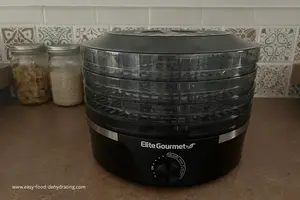
5-Tray Elite Gourmet Food Dehydrator Review
Get a hands-on Elite Gourmet food dehydrator review with tray capacity, temperature range, drying performance, cleanup tips, and whether it fits your budget.
Product Reviews for Food Dehydrating and Food Prep
Hands-on reviews of dehydrators, sealers, and prep tools—what to buy & what to skip for better, longer-lasting storage.
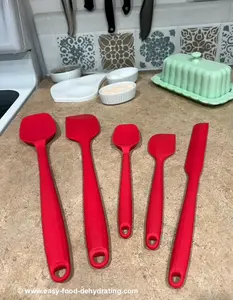
Food Grade Silicone Spatulas: HOTEC 5-Piece Set
HOTEC food grade silicone spatulas—heat-safe, seamless, non-stick friendly. See pros, cons, and who they’re best for.
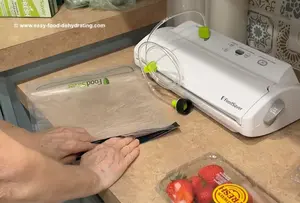
FoodSaver Reusable Vacuum Sealer Bags — 2 Quick Videos
Watch 2 short videos: how to use FoodSaver reusable vacuum sealer bags to keep berries fresh longer and reduce waste.
Pawcute Mason Jar Vacuum Sealer Review + FoodSaver Fix
Pawcute Mason Jar Vacuum Sealer review + my hack for older FoodSaver models. Fix sealing issues fast!
Nesco FD-75A Dehydrator Review: Is It Worth It?
Hands-on Nesco FD-75A food dehydrator review—real drying results, pros & cons, tips, and who should buy it.
Excalibur French Door Dehydrator Review: Full Guide
Excalibur French Door dehydrator review covering capacity, controls, pros, cons, and if it’s worth the counter space.


You Might Like These
Safeguard Latex Gloves: Food-Safe & Durable
Hands-on review of Safeguard latex gloves—fit, grip, durability, and food safety for kitchen prep and dehydrating.
Mandoline Slicer Review: Safer Slicing with 4 Cutting Modes
This ONCE FOR ALL mandoline slicer is safe, adjustable, and simple to clean—ideal for fast, uniform veggie prep.
5-Tray Elite Gourmet Food Dehydrator Review
Get a hands-on Elite Gourmet food dehydrator review with tray capacity, temperature range, drying performance, cleanup tips, and whether it fits your budget.
Product Reviews for Food Dehydrating and Food Prep
Hands-on reviews of dehydrators, sealers, and prep tools—what to buy & what to skip for better, longer-lasting storage.
Food Grade Silicone Spatulas: HOTEC 5-Piece Set
HOTEC food grade silicone spatulas—heat-safe, seamless, non-stick friendly. See pros, cons, and who they’re best for.
FoodSaver Reusable Vacuum Sealer Bags — 2 Quick Videos
Watch 2 short videos: how to use FoodSaver reusable vacuum sealer bags to keep berries fresh longer and reduce waste.
Pawcute Mason Jar Vacuum Sealer Review + FoodSaver Fix
Pawcute Mason Jar Vacuum Sealer review + my hack for older FoodSaver models. Fix sealing issues fast!
Nesco FD-75A Dehydrator Review: Is It Worth It?
Hands-on Nesco FD-75A food dehydrator review—real drying results, pros & cons, tips, and who should buy it.
Excalibur French Door Dehydrator Review: Full Guide
Excalibur French Door dehydrator review covering capacity, controls, pros, cons, and if it’s worth the counter space.
Before You Go...
If you enjoyed this page, tap the ❤️ in the lower right-hand corner.
It saves this page to your Grow bookmarks so you can find it again later.
You’ll also see quick share buttons to copy the link, post to Facebook,
or save it straight to Pinterest.
What We Mean by “Dehydrate”
Here at Easy Food Dehydrating, “dehydrate” always means using an electric food dehydrator — the easy, reliable way to dry food at home.
What We Mean by “Dehydrate”
Here at Easy Food Dehydrating, “dehydrate” always means using an electric food dehydrator — the easy, reliable way to dry food at home.


📌 Pin It for Later
< add fullsize WEBP pin here >
then REMOVE this BLOCK!
LATEST READS on EFD


-
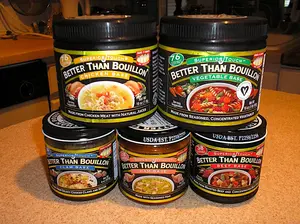
Better Than Bouillon: Uses, Storage & Cube Comparison
Sep 11, 26 10:46 AM
 Learn how to use Better Than Bouillon, how much makes one cup of broth, how it compares with cubes, and how to store opened jars safely.
 -
How to Dehydrate Bananas for Easy, Healthy Snacking
Sep 09, 26 02:32 PM
 Learn how to dehydrate bananas at 135°F, reduce browning, test for doneness, condition, and store them for delicious homemade snacks.
 -
How to Dehydrate Peas: Fresh, Frozen & Canned
Sep 09, 26 11:21 AM
 Learn how to dehydrate fresh, frozen, or canned peas with the right preparation, temperature, drying time, storage tips, and an easy glove trick!


Unlock the Secrets of Food Dehydrating... from Fruit 'n' Veg to Doggie Dinners!



AFFILIATE DISCLOSURE: I am an Affiliate for Amazon, and other sellers of quality merchandise. Should you purchase an item through their links, I may receive compensation. The price you pay does not increase. THANKS for your support! Read full disclosure here.
easy FOOD DEHYDRATING: Making food preservation simple since 2010. I show you how to keep your food pantry full, whatever the reason or season!

HOME ARTICLES CONTACT ADVERTISING DISCLOSURE DISCLAIMER FAQ PRIVACY SITEMAP TERMS TESTIMONIALS
ALL CONTENT COPYRIGHT © 2010-2025 • ALL RIGHTS RESERVED REGARDLESS OF LINKS OR ATTRIBUTIONS.
POWERED BY SBI! (SOLO BUILD IT!)
As an Amazon Associate, I earn from qualifying purchases.