- Home
- Why Dehydrate Food?
- Food Dehydrating for Fun and Profit

Can You Make Money Selling Dehydrated Food?
If friends and family rave about your dried fruit, fruit leather, veggie chips, or other dehydrated creations, you may have wondered whether you could sell them for extra income.
In this guest post, Gregg Owens shares the story of an Australian couple who turned popular homemade snacks into a successful farmers’ market venture. Their experience offers some useful marketing ideas—but selling food involves more than finding willing customers.
Because food-business laws and safety requirements vary by location, I’ve added my own updated editor’s notes and practical guidance following Gregg’s original contribution. Please check the current cottage-food or commercial-food requirements where you live before making or selling any product.
✅ Quick Answer: Can you make money selling dehydrated food?
Yes, selling dehydrated food can provide extra income, but profitability is not guaranteed. Your results will depend on product demand, ingredient and packaging costs, pricing, production capacity, and where you are legally permitted to sell. Before offering anything for sale, verify that the particular food, preparation method, packaging, labeling, and sales venue comply with the laws where you live.
Guest Post by Gregg Owens
Have you ever considered using your domestic food dehydrator to produce a side income for you and your family?
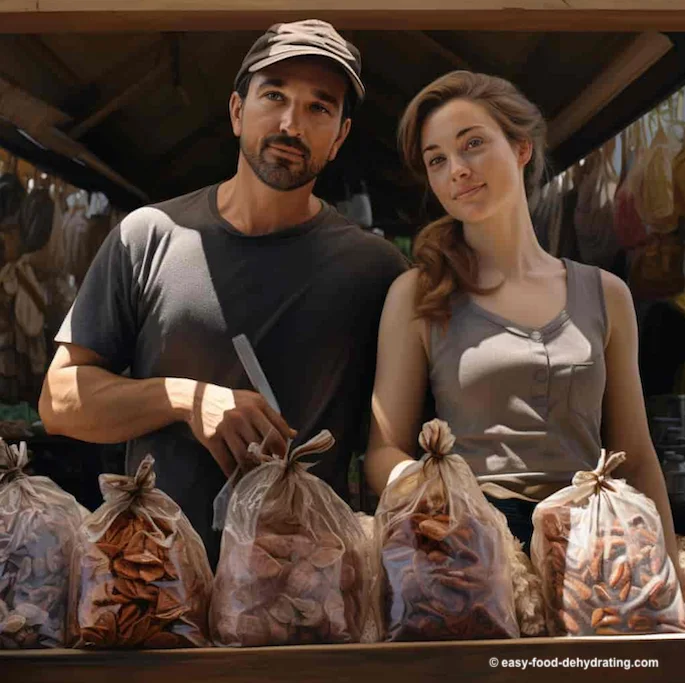
On a recent trip to Australia, I met a family who is doing just that. After years of their friends and relatives telling Julie and Rob that they had the “best fruit leather ever,” they produced a small batch and tried it out on the public at a local farmers’ market.
That first market was so successful that they sold out within two hours—even though the market was scheduled to run for six. The following weekend, they doubled their batch but sold out again in just two hours, and word of their delicious treats began to spread.
How One Australian Couple Turned Dehydrating Into a Side Hustle
I met them six months into their side-business journey. By then, they had expanded their operation so that they no longer ran out of products.
They were having so much success that their weekend farmers’ market income was quickly approaching their employment earnings. Julie worked in administration, and Rob was a high school teacher.
It had been an incredible journey for their family. I was fortunate enough to speak with them, and they shared their best tips for others who might also like to turn a dehydrating hobby into additional income.
Top 5 Tips for Making Money with Food Dehydrating
1. Find Out What People Actually Want
Before producing a large batch of any treat, ask friends and people in your community what they might be interested in buying. Julie and Rob were fortunate: their first selection of banana chips, dried apricots, and dried mango strips sold out quickly. At first, they thought the response might have been a fluke.
During the following weeks, they experimented with dried spices, but those did not sell nearly as well. They had assumed that customers would want them, but the demand simply wasn’t there.
The lesson: Test customer interest before producing any dehydrated product in quantity. An appealing idea is not necessarily a profitable one.
2. Let Potential Customers Sample the Product
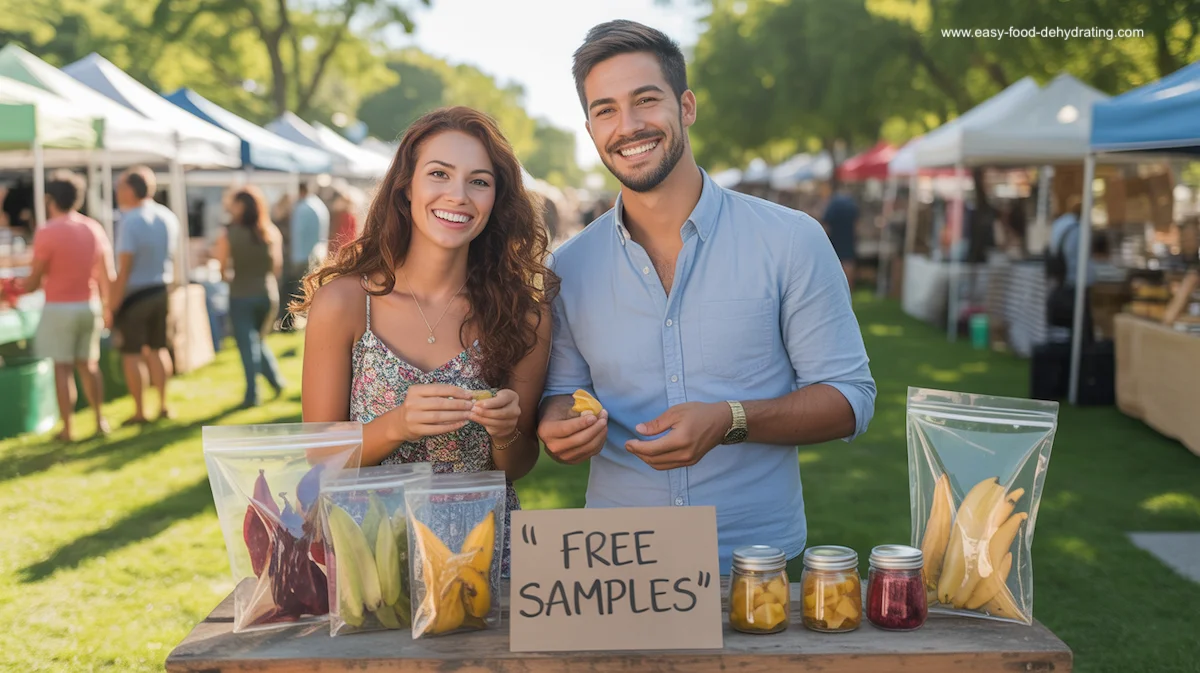
Julie and Rob credited much of their early success to offering free samples so that potential customers could taste the products before buying them.
They estimated that approximately 40% of the people who accepted a sample bought something immediately, while another 20% returned to purchase during the following weeks.
The lesson: People may be unfamiliar with dehydrated snacks. When sampling is legally permitted and handled safely, giving potential customers a small taste may help them decide whether they want to buy.
3. Expand Only After Establishing Demand
Julie and Rob discovered that customers viewed their treats as an appealing snack alternative. After establishing demand at the farmers’ market, they approached local businesses and offices about offering the snacks through a subscription service for employees.
According to the couple, these subscriptions gave them a more predictable source of monthly income that they could use to grow the business.
The lesson: Begin with a small, manageable product range. Consider expanding only after you know which products sell and whether you can produce them consistently and profitably.
4. Spend First on What Matters Most
New business owners can easily spend money on things that are not essential during the testing stage. Business cards, elaborate branding, decorative displays, and premium packaging can usually wait until there is proven demand for the product.
Appropriate food-grade packaging and any legally required labeling, however, are not optional. Those requirements should be included in the startup budget from the beginning.
The lesson: Keep the operation simple, but prioritize food safety, legal compliance, product quality, and suitable packaging before spending money on decorative extras.
5. Test the Idea Without Taking Unnecessary Risks
Julie and Rob felt able to test their idea because they had not invested thousands of dollars before learning whether customers wanted their products.
Starting with a small, legally compliant trial can help you assess demand without committing to expensive equipment, large quantities of ingredients, or elaborate branding.
The lesson: Research the requirements first, calculate the true cost of producing each item, and begin with a quantity you can manage safely. A small test will not guarantee success, but it can provide useful information before you invest more heavily.
If you’re considering selling dehydrated food, you’ll need a dependable dehydrator. A basic home model such as the Nesco FD-75A may be suitable for experimenting with small batches, although a growing business may eventually need greater capacity.
For help comparing home dehydrators, read my guide to the 5 Best Dehydrators for Drying Herbs.
For plant-based recipes and healthy eating ideas, visit Your Vegan Kitchen.
Susan’s Editor’s Note: Before You Sell Dehydrated Food
Gregg’s guest post offers an interesting example of how one Australian couple tested a dehydrated-snack business. However, their experience should not be treated as legal, food-safety, or financial guidance for starting a home food business today.
Laws governing homemade food vary by country, state, and sometimes by the particular product and sales method. A food that is legal to prepare for your own household is not automatically legal to produce in a home kitchen and sell to the public.
Before purchasing ingredients, accepting orders, handing out samples, or approaching a farmers’ market, verify the current requirements with the government agency responsible for food businesses where you live. Do not rely solely on a market organizer, another vendor, a social-media group, or an older online article for legal guidance.
⚠️ Important
“Shelf-stable” does not automatically mean “approved for cottage-food sale.” Rules may address the specific food, preparation method, final moisture or water activity, packaging, labeling, allergens, permitted sales locations, shipping, revenue limits, and whether laboratory testing is required.
Start With the Laws Where You Live
In the United States, homemade-food businesses are generally governed by state cottage-food laws or other state and local food-business regulations. There is no single set of rules that applies to every home-based seller.
Depending on where you live and what you intend to sell, the rules may determine:
- which dehydrated foods may be produced in a home kitchen;
- whether a permit, registration, inspection, or food-safety course is required;
- whether the finished product requires laboratory testing;
- where and how the food may be sold;
- whether online sales or shipping are permitted;
- what information must appear on the package; and
- how much annual revenue a cottage-food operation may earn.
Begin with your state’s department of agriculture or health department. If the information is unclear about a particular dehydrated product, contact the agency directly before offering it for sale.
Florida readers: Florida’s cottage-food law permits certain low-risk foods to be produced in an unlicensed home kitchen and sold directly to consumers. However, operators must still follow the rules governing eligible products, labeling, sales methods, and the annual gross-sales limit. Check the current requirements directly with the Florida Department of Agriculture and Consumer Services.
Not Every Dehydrated Food Can Be Sold From Home
Dehydrating food for your own household and producing dehydrated food for public sale are not the same thing. A state may permit certain dried fruits, herbs, seasonings, or other shelf-stable products under its cottage-food law while excluding other dehydrated foods entirely.
Susan’s tip: Ask the relevant agency about the exact product you intend to sell. “Dehydrated food” is too broad. Describe it specifically—for example, plain dried apple slices, mango fruit leather, seasoned beet chips, or beef jerky—and ask whether that product may legally be made in your home kitchen and sold using your planned method.
Products containing meat, poultry, seafood, dairy, eggs, or complete cooked meals commonly face stricter controls and may require production in an approved commercial facility. Jerky deserves particular caution because meat-processing regulations and safety requirements may fall outside ordinary cottage-food allowances.
Even fruits, vegetables, fruit leathers, powders, and snack mixtures should not automatically be assumed legal. The ingredients, preparation method, final moisture level, packaging, and intended storage conditions can all affect whether a product is considered safe and eligible for home production.
FDA, USDA, State, or Local—Who Makes the Rules?
Food-business oversight in the United States is shared among federal, state, and local authorities. The agency you need to consult depends on the product, where it is made, and how and where it will be sold.
- State agriculture or health agencies generally administer cottage-food laws and determine what may be produced in a home kitchen.
- Local or county authorities may oversee farmers’ markets, retail food sales, sampling, zoning, business licensing, or other local requirements.
- The FDA regulates much of the broader U.S. food supply and provides requirements covering areas such as food safety, facility registration, ingredients, allergens, labeling, and interstate commerce. Exemptions may apply to qualifying home-based or small operations, but they should never be assumed.
- USDA’s Food Safety and Inspection Service regulates many commercially produced meat, poultry, and processed egg products. This makes products such as beef or poultry jerky substantially more complicated than ordinary dried fruit.
❤️ Don’t ask only, “Is this FDA approved?”
The FDA does not issue one blanket approval that makes a home-based dehydrated-food business legal. Start with your state agency and describe your exact product and sales plan. That agency can tell you whether its cottage-food rules apply and whether another state, local, FDA, or USDA requirement must also be addressed.
The FDA offers a useful overview for anyone considering a food business: How to Start a Food Business.
Packaging and Labels Are Business Essentials
Attractive packaging can wait, but packaging that protects the food and labeling that satisfies the applicable rules cannot.
Your package must be suitable for the product and help protect it from moisture, contamination, pests, and damage during handling, display, and transportation. Before choosing bags, jars, vacuum-sealed packages, or oxygen absorbers, confirm that the packaging method is appropriate and permitted for the particular food you intend to sell.
Depending on the applicable law, a product label may need to include:
- the product name;
- the business or operator’s name and address;
- ingredients listed in descending order by weight;
- the net weight or volume;
- required allergen declarations;
- a cottage-food or inspection disclaimer;
- nutritional information when certain claims are made; and
- any additional storage or handling instructions.
⚠️ Never guess about allergens
A customer may experience a serious reaction to an ingredient or cross-contact residue that seems insignificant to you. Verify the allergen-labeling requirements that apply to your product and establish procedures for cleaning equipment, storing ingredients, and preventing unintended cross-contact.
The FDA provides current information about major food allergens and packaged-food labeling requirements on its Food Allergies page.
A Finished Product May Need Safety Testing
A dehydrated product can look and feel dry while still retaining enough available moisture to support mold or microbial growth. Personal judgment—such as bending a slice, squeezing it, or checking whether it feels crisp—may be useful when preparing food for your own household, but it may not be sufficient evidence for a product sold to the public.
Depending on the food and the applicable regulations, an agency may require a standardized recipe, documented processing controls, or laboratory testing for factors such as water activity. Water activity is not the same as the percentage of moisture in a food. It measures how much water is available to support microbial growth and chemical reactions.
A home moisture meter, visual inspection, or the fact that a product has not spoiled before does not replace any testing or process validation required by the relevant authority.
Ask before paying for testing: Contact the responsible agency first. Confirm whether testing is required, which test is appropriate, how samples must be prepared and submitted, and whether the laboratory must hold a particular accreditation.
Check the Rules Before Offering Free Samples
Free samples may help customers discover an unfamiliar dehydrated product, but sampling can be regulated separately from the sale of sealed packages. Permission to sell at a farmers’ market does not necessarily include permission to open packages and distribute ready-to-eat samples.
The applicable rules or market policy may address:
- approval or permits for sampling;
- handwashing facilities;
- gloves or utensils;
- individually portioned samples;
- protection from customers touching other samples;
- covered containers and protection from contamination;
- temperature control when applicable; and
- ingredient and allergen information.
Ask both the appropriate regulatory authority and the market organizer what is required before preparing samples. If their answers differ, follow the requirements of the government authority as well as any additional market rules.
Practical tip: Prepare a written sampling plan before the event. Include how samples will be transported, protected, portioned, served, and discarded—and how customers will be told about ingredients and allergens.
Work Out the True Cost Before Setting a Price
Selling out at a farmers’ market sounds impressive, but total sales are not the same as profit. A product can be popular and still lose money if the selling price does not cover every cost involved in producing and selling it.
Include all relevant expenses when calculating the cost of each package:
- fresh ingredients and seasonings;
- food-grade packaging and labels;
- electricity used during long drying cycles;
- product testing, permits, or training when required;
- market fees and payment-processing charges;
- transportation and display supplies;
- business or product-liability insurance;
- spoiled products, samples, and unsold inventory; and
- the value of your preparation, drying, packaging, cleaning, and selling time.
Selling price − total cost per package = profit per package
Multiply the profit per package by the number you realistically expect to sell—not merely the number your dehydrator can produce.
Keep written records for every batch. Record ingredient quantities, finished yield, drying time, electricity use, packaging costs, selling price, products sold, samples distributed, and any waste. Those figures will show whether the business is genuinely profitable and help you price future batches more accurately.
FAQs About Selling Dehydrated Food for Profit
Can I sell dehydrated food from home legally?
Can I sell dehydrated food from home legally?
Possibly. It depends on the exact product and the cottage-food or food-business laws where you live. Confirm eligibility with your state agriculture or health agency before selling anything.
Do I need a license to sell dehydrated food?
Do I need a license to sell dehydrated food?
Requirements vary. Some states allow qualifying cottage foods without a license, while others require permits, registration, training, inspections, or product testing. Your planned sales method may also affect the requirements.
What dehydrated foods sell best?
What dehydrated foods sell best?
Customer demand varies by location and market. Dried fruit, fruit leather, herbs, seasoning blends, and vegetable snacks may appeal to buyers, but test a small selection before investing in large batches.
Can I make and sell jerky from home?
Can I make and sell jerky from home?
Do not assume so. Meat and poultry products commonly fall outside ordinary cottage-food allowances and may be subject to USDA or state meat-processing requirements. Ask the appropriate authority about your exact product.
How much money can I make selling dehydrated food?
How much money can I make selling dehydrated food?
There is no dependable average. Earnings depend on demand, pricing, production capacity, legal selling options, and total expenses. Calculate profit only after accounting for ingredients, electricity, packaging, fees, waste, and your time.
Could Selling Dehydrated Food Work for You?
Gregg’s story shows how testing a few products with real customers can reveal whether an idea has potential. But enthusiasm and encouraging feedback are only the beginning.
Before selling dehydrated food, confirm that your product is legal, establish a safe and repeatable method, calculate the complete cost, and begin with a quantity you can manage. If the numbers and customer response are encouraging, you can make informed decisions about what—or whether—to expand.
So, whether you're just starting out or looking to take your dried food hobby to the next level, remember that simplicity, smart sampling, and matching your market are key.
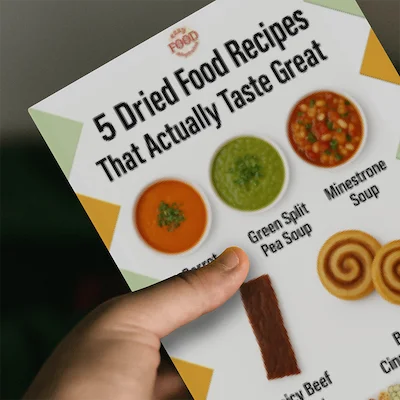
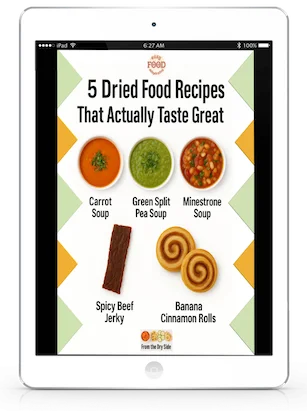
If you’d like some inspiration for using your dehydrator, grab my free 5 Dried Food Recipes That Actually Taste Great PDF below—featuring carrot soup, minestrone, split pea soup, spicy beef jerky, and even banana cinnamon rolls.
5 Free Dried Food Recipes
That Actually Taste Great
Put your dried food to delicious use!
Five very different recipes.
Not one dull bite...
5 Free Dried Food Recipes
That Actually Taste Great
Put your dried food to delicious use!
Five very different recipes.
Not one dull bite...
More From Easy Food Dehydrating
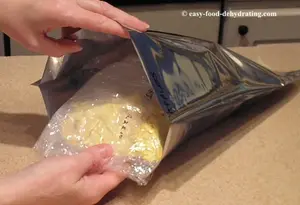
How to Use Mylar Bags for Dehydrated Food Storage
Learn how to use Mylar bags for dehydrated food storage, choose bag thickness, heat-seal correctly, and use oxygen absorbers when appropriate.
What Are Food Dehydrators? How They Work & Benefits
Learn what food dehydrators are, how they work, and preserve food naturally—no refrigeration or additives needed.
Food Vacuum Sealers – FoodSaver Models & Sealing Tips
FoodSaver food vacuum sealers, how they preserve food longer, and expert tips for safe, airtight storage.
Food Shortage Preparedness: How to Get Ready Now
Practical steps to prepare for food shortages: what to stock, how to grow, dehydrate, & store food safely—without panic.
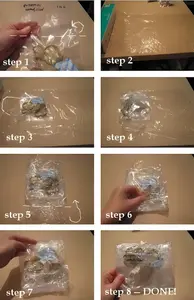
Plastic Wrap Guide: Stop Food Vacuum-Bag Punctures
Prevent food vacuum-bag punctures: cushion sharp edges on vacuum-sealed packets. Easy steps, quick tools, reuse tips.
How to Store Dehydrated Food for Maximum Shelf Life
Learn how to store dehydrated food in jars, vacuum bags, and Mylar, with safe tips for oxygen absorbers, desiccants, and storage conditions.

More From Easy Food Dehydrating
How to Use Mylar Bags for Dehydrated Food Storage
Learn how to use Mylar bags for dehydrated food storage, choose bag thickness, heat-seal correctly, and use oxygen absorbers when appropriate.
What Are Food Dehydrators? How They Work & Benefits
Learn what food dehydrators are, how they work, and preserve food naturally—no refrigeration or additives needed.
Food Vacuum Sealers – FoodSaver Models & Sealing Tips
FoodSaver food vacuum sealers, how they preserve food longer, and expert tips for safe, airtight storage.
Food Shortage Preparedness: How to Get Ready Now
Practical steps to prepare for food shortages: what to stock, how to grow, dehydrate, & store food safely—without panic.
Plastic Wrap Guide: Stop Food Vacuum-Bag Punctures
Prevent food vacuum-bag punctures: cushion sharp edges on vacuum-sealed packets. Easy steps, quick tools, reuse tips.
How to Store Dehydrated Food for Maximum Shelf Life
Learn how to store dehydrated food in jars, vacuum bags, and Mylar, with safe tips for oxygen absorbers, desiccants, and storage conditions.
Before You Go...
If you enjoyed this page, tap the ❤️ in the lower right-hand corner.
It saves this page to your Grow bookmarks so you can find it again later.
You’ll also see quick share buttons to copy the link, post to Facebook,
or save it straight to Pinterest.
What We Mean by “Dehydrate”
Here at Easy Food Dehydrating, “dehydrate” always means using an electric food dehydrator — the easy, reliable way to dry food at home.
What We Mean by “Dehydrate”
Here at Easy Food Dehydrating, “dehydrate” always means using an electric food dehydrator — the easy, reliable way to dry food at home.

LATEST READS on EFD


-
Food Vacuum Sealer Instructions: FoodSaver V2240 Part 2
Sep 18, 26 10:04 AM
 Follow step-by-step FoodSaver V2240 instructions for placing bags, vacuum sealing, heat-sealing Mylar bags, checking seals, and avoiding common mistakes.
 -
Dehydrated Sweet Potato Dog Treats: Dehydrator & Oven
Sep 17, 26 12:23 PM
 Make dehydrated sweet potato dog treats in a dehydrator or oven. Get safe prep, drying times, doneness tests, storage tips, and serving guidance.
 -
How to Dehydrate Apricots: Easy Steps & Storage
Sep 16, 26 12:51 PM
 How to dehydrate apricots at 135–140°F, test slices and halves for doneness, condition the fruit, and store it for 6–12 months.

Unlock the Secrets of Food Dehydrating... from Fruit 'n' Veg to Doggie Dinners!


AFFILIATE DISCLOSURE: I am an Affiliate for Amazon, and other sellers of quality merchandise. Should you purchase an item through their links, I may receive compensation. The price you pay does not increase. THANKS for your support! Read full disclosure here.
easy FOOD DEHYDRATING: Making food preservation simple since 2010. I show you how to keep your food pantry full, whatever the reason or season!

HOME ARTICLES CONTACT ADVERTISING DISCLOSURE DISCLAIMER FAQ PRIVACY SITEMAP TERMS TESTIMONIALS
ALL CONTENT COPYRIGHT © 2010-2025 • ALL RIGHTS RESERVED REGARDLESS OF LINKS OR ATTRIBUTIONS.
POWERED BY SBI! (SOLO BUILD IT!)
As an Amazon Associate, I earn from qualifying purchases.