- Home
- Books by Easy Food Dehydrating
- Easy Food Dehydrating and Safe Food Storage

Easy Food Dehydrating and Safe Food Storage Book
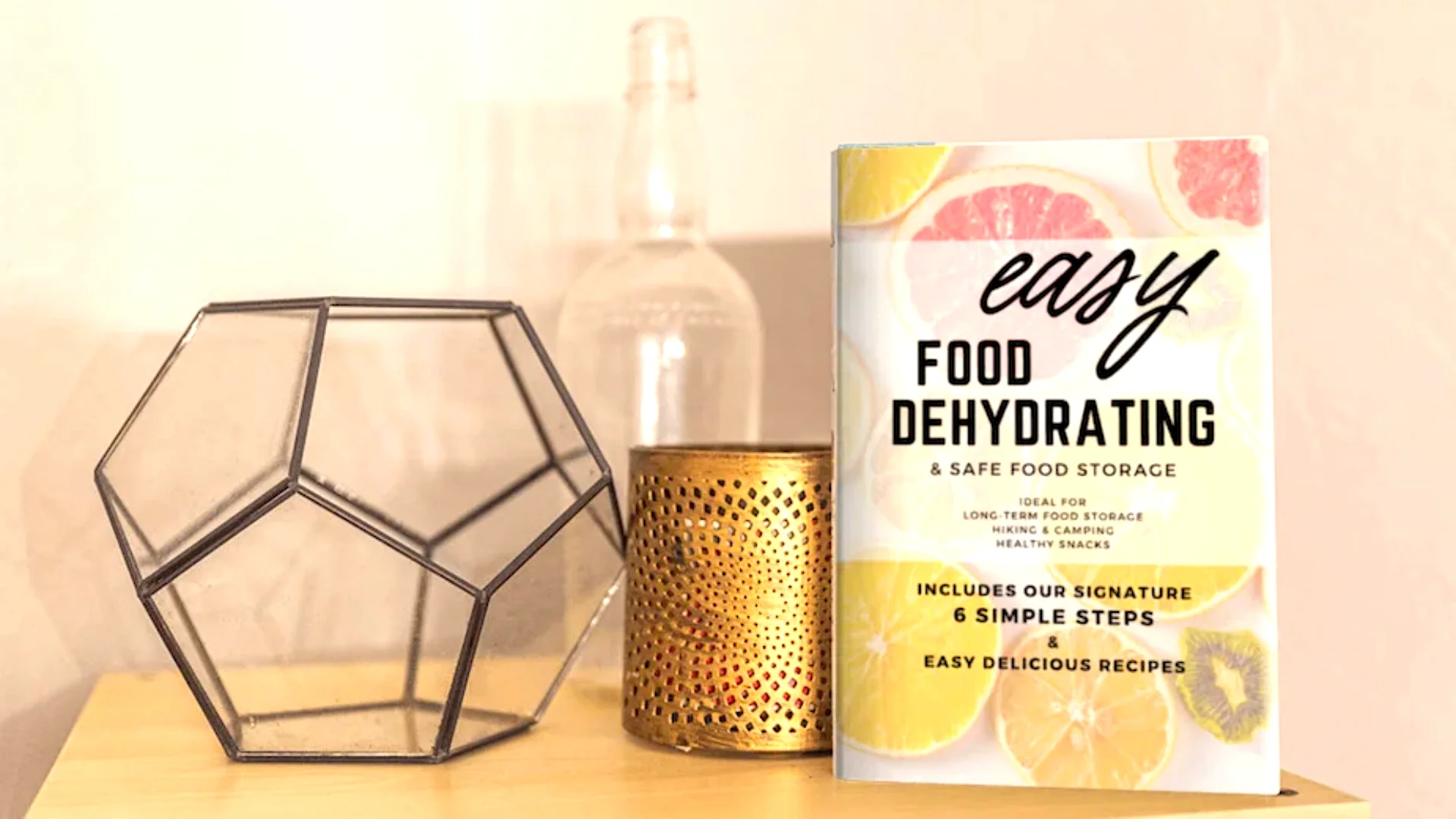
Want to Learn Food Dehydrating Without the Stress?
Want a complete food-dehydrating reference you can follow at your own pace?
Easy Food Dehydrating and Safe Food Storage explains how to dehydrate fruits, vegetables, cooked meats, and other foods at home.
It covers food preparation, dehydrators and accessories, drying methods, vacuum sealing, storage containers, rehydrating, and recipes made with dehydrated ingredients.
✅ Quick Answer: What is Easy Food Dehydrating and Safe Food Storage?
It’s Susan Gast’s comprehensive guide to dehydrating and storing food at home. The book covers equipment, preparation, fruits, vegetables, cooked meats, conditioning, vacuum sealing, storage options, rehydrating, and recipes. It is available as an eBook, paperback, and audiobook.
Easy Food Dehydrating and Safe Food Storage explains how to dehydrate fruits, vegetables, cooked meats, and other foods at home.
It covers food preparation, dehydrators and accessories, drying methods, vacuum sealing, storage containers, rehydrating, and recipes made with dehydrated ingredients.
✅ Quick Answer: What is Easy Food Dehydrating and Safe Food Storage?
It’s Susan Gast’s comprehensive guide to dehydrating and storing food at home. The book covers equipment, preparation, fruits, vegetables, cooked meats, conditioning, vacuum sealing, storage options, rehydrating, and recipes. It is available as an eBook, paperback, and audiobook.
The book is available as an eBook, paperback, and audiobook, so you can choose your preferred format later on this page.
What You’ll Find Inside the Book
Easy Food Dehydrating and Safe Food Storage brings the main stages of home food dehydrating together in one organized guide. Topics include:
- What food dehydration is and how it preserves food
- Benefits and practical uses of dehydrated food
- Different methods for dehydrating food at home
- Foods that can—and should not—be dehydrated
- Types of food dehydrators and how they differ
- Useful dehydrating tools and accessories
- Vacuum-sealing machines, bags, and rolls
- Conditioning dried fruits and vegetables
- Short- and long-term food-storage considerations
- Mason jars, food-grade bins, airtight buckets, and Mylar bags
- Rehydrating dried ingredients for meals and recipes
A Food-Dehydrating Reference to Keep Handy
Use the book to look up preparation instructions, drying guidance, storage options, and rehydrating tips whenever you need them. It covers suitable fresh, frozen, and canned foods, helping you understand how the process differs according to the food you’re drying.
Properly dehydrated food can remain useful for months, depending on the food, drying method, packaging, storage conditions, and how frequently the container is opened. Always check stored food for moisture, mold, unusual odors, or other signs of spoilage before using it.
please... S T O P
Throwing Good Food Away

Have you ever opened the refrigerator and discovered wilted celery, overripe tomatoes, or produce you meant to use but simply didn’t get to in time?
That frustration helped lead me to food dehydrating. Instead of allowing suitable fruits, vegetables, and other foods to spoil, I could dry them while they were still fresh and use them later.
Food dehydrating doesn’t replace canning, freezing, or every other preservation method.
It simply gives you another practical option—especially when you have more fresh produce than you can use right away.
Easy Food Dehydrating and Safe Food Storage brings my instructions together in one reference, helping you decide what to dehydrate, how to prepare it, and how to store the finished food properly.
please... S T O P
Throwing Good Food Away
Have you ever opened the refrigerator and discovered wilted celery, overripe tomatoes, or produce you meant to use but simply didn’t get to in time?
That frustration helped lead me to food dehydrating. Instead of allowing suitable fruits, vegetables, and other foods to spoil, I could dry them while they were still fresh and use them later.
Food dehydrating doesn’t replace canning, freezing, or every other preservation method. It simply gives you another practical option—especially when you have more fresh produce than you can use right away.
Easy Food Dehydrating and Safe Food Storage brings my instructions together in one reference, helping you decide what to dehydrate, how to prepare it, and how to store the finished food properly.
Learn How to Dry and Store Food Properly
Use the book to learn the steps involved in preparing, dehydrating, conditioning, packaging, and storing suitable foods. Having those instructions in one place makes it easier to check the process whenever you need guidance.

Learn How to Dehydrate Fruits,
Vegetables, and Cooked Meats
Compare Food Dehydrators,
Vacuum Sealers, and Accessories
Reduce Waste by Drying Suitable
Food Before It Spoils
Understand Conditioning, Packaging,
and Food Storage
Explore Mason Jars, Mylar Bags,
Bins, and Buckets
Rehydrate Dried Ingredients and
Use Them in Recipes
Learn How to Dehydrate Fruits, Vegetables, and Cooked Meats
Compare Food Dehydrators, Vacuum Sealers, and Accessories
Reduce Waste by Drying Suitable Food Before It Spoils
Understand Conditioning, Packaging, and Food Storage
Explore Mason Jars, Mylar Bags, Bins, and Buckets
Rehydrate Dried Ingredients and Use Them in Recipes
Choose Your Preferred Book Format
Download the eBook
Choose the Kindle eBook for immediate access on a compatible device or Kindle reading app.


Love Print? Grab the
Paperback Version (300+ pages)
Learn on the Go:
Audiobook
Love Print?
Grab the
Paperback Version
(300+ pages)
Easy Food Dehydrating and Safe Food Storage
300+ pages!
Get Your Paperback Copy today!
Learn on the Go:
Easy Food Dehydrating
Audiobook
Have Questions About Easy Food Dehydrating and Safe Food Storage?
Do I need special equipment to use this book?
Do I need special equipment to use this book?
An electric food dehydrator provides more reliable temperature control and airflow, but the book also discusses oven drying for suitable foods. It explains common equipment and accessories so you can decide what fits your needs and budget.
What makes this book different from reading individual articles or watching videos?
What makes this book different from reading individual articles or watching videos?
The book brings food preparation, dehydrating instructions, equipment, conditioning, packaging, storage, rehydrating, and recipes together in one organized reference. This makes it easier to follow the overall process and return to a particular topic when you need it.
Is the book suitable for beginners?
Is the book suitable for beginners?
Yes. The book begins with food-dehydrating basics and explains the process step by step before moving into individual foods, equipment, storage options, rehydrating, and recipes.
Does the book cover fresh, frozen, and canned foods?
Does the book cover fresh, frozen, and canned foods?
Yes. The book discusses suitable fresh and frozen foods along with certain canned foods that can be dehydrated. Instructions vary according to the food and how it was originally prepared.
If you’re ready to begin learning, choose the eBook, paperback, or audiobook format that works best for you.
Amazon Return Information
Amazon generally allows eligible paperback purchases to be returned within 30 days of delivery, subject to its current return requirements and the condition of the book.
An accidental Kindle book purchase may generally be canceled within seven days. Amazon may deny a Kindle refund if a substantial portion of the book has been read or if it detects return-policy abuse.
Audiobook return eligibility depends on the retailer, purchase method, and customer account. Because these policies are controlled by Amazon and Audible, review the terms shown with your order before purchasing.
Review Amazon's return policy
Review Amazon's Kindle book return policy
Thank you very much for supporting my work. I truly appreciate everyone who reads my books, visits Easy Food Dehydrating, and shares kind words about the information I provide.
If you’ve read Easy Food Dehydrating and Safe Food Storage, I’d be grateful if you would consider leaving an honest review on Amazon. Your feedback can help other readers decide whether the book is right for them.

HOME ARTICLES CONTACT ADVERTISING DISCLOSURE DISCLAIMER FAQ PRIVACY SITEMAP TERMS TESTIMONIALS
ALL CONTENT COPYRIGHT © 2010-2025 • ALL RIGHTS RESERVED REGARDLESS OF LINKS OR ATTRIBUTIONS.
POWERED BY SBI! (SOLO BUILD IT!)
As an Amazon Associate, I earn from qualifying purchases.